
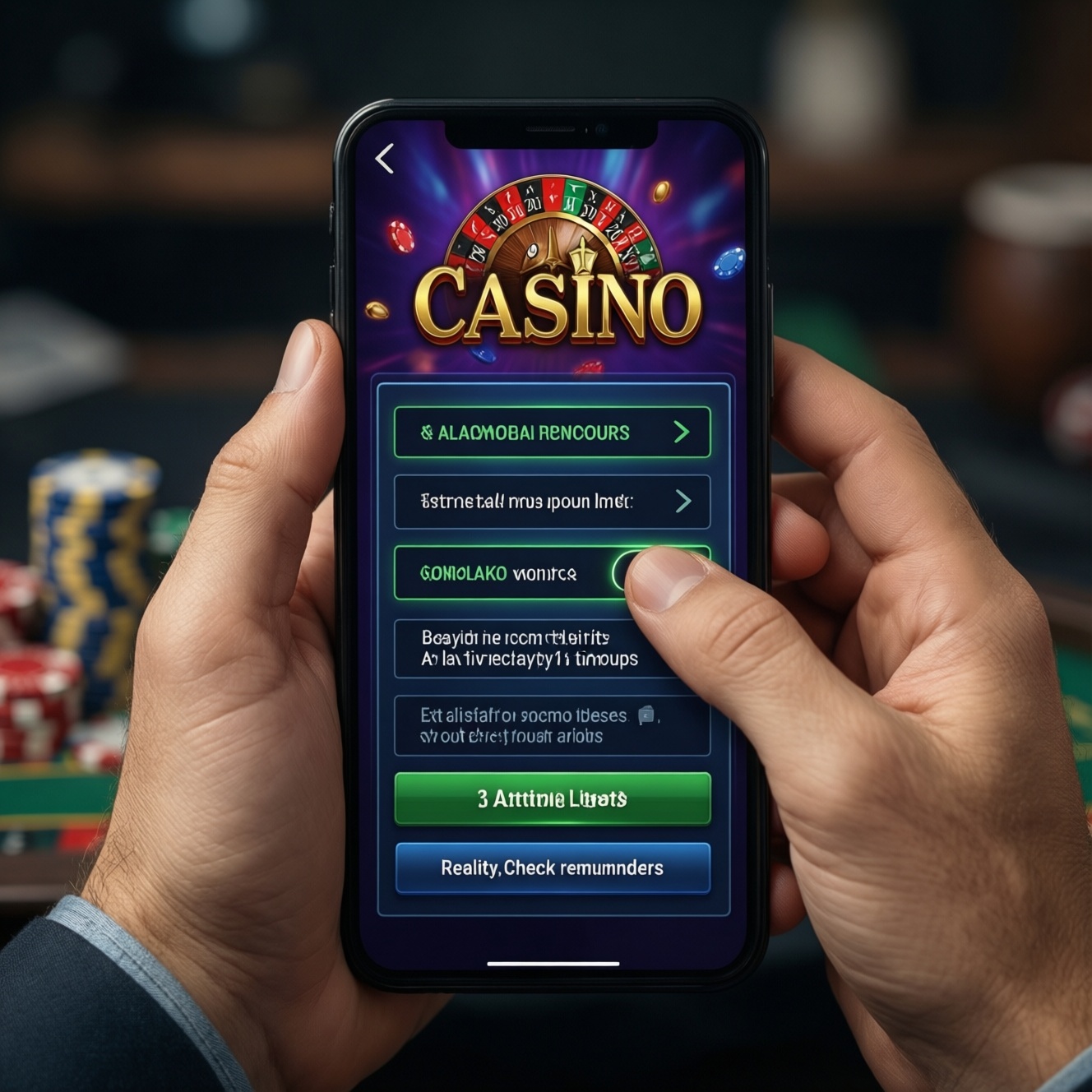
To make gambling safer, combine three layers: financial caps, time boundaries, and in-session prompts that interrupt autopilot. Start by choosing responsible gambling tools inside your casino account, then set gambling limits (deposit, loss, and stake), schedule timeouts, and enable gambling reality check reminders. Finally, verify self-exclusion options and monitor your patterns weekly.
Core Tools for Safer Play
- Pre-commitment limits: budget, stake (bet) cap, loss cap, and session spend guardrails
- Funding controls: online casino deposit limits, payment-method restrictions, and cooling time between deposits
- Time controls: session timers, planned stop times, and device-level app/website limits
- Interruptions: reality checks, pop-up summaries, and custom prompts tied to your goals
- Hard stops: cool-off periods and self exclusion gambling when you cannot reliably stop
- Monitoring: basic tracking, pattern alerts, and accountability check-ins
Setting Financial Limits: Budgets, Bet Caps, and Funding Controls
- Best fit: You want predictable spend, you sometimes chase losses, or you switch games often and need a universal cap.
- Not a good fit (use stronger controls): You repeatedly override plans, borrow to gamble, hide activity, or feel unable to stop once you start-move directly to cool-off or self-exclusion.
- Pick a single currency and timeframe. Choose weekly or monthly (not "per session"). A longer window reduces loopholes like "one more deposit tomorrow."
- Set three numbers (micro-template).
- Max deposit: "I can deposit up to X per week." (Use online casino deposit limits in the cashier/banking area.)
- Max loss: "I stop for the week if net loss reaches Y."
- Max stake: "My largest bet per round is Z."
- Reduce access to fast top-ups. Remove saved cards where possible, avoid one-click deposits, and keep gambling funds separate from bill money.
- Choose what happens when you hit a limit. Prefer "block deposits" and "block play" behaviors over "warning only" when available.
- Set a change rule. Only loosen limits after a full cycle (e.g., after your weekly limit resets) and only once; tightening can be immediate.
Implementing Time Limits and Session Planning
- Account access: You need login access to your casino responsible gambling area (limits, timeouts, self-exclusion).
- Device controls: Phone/PC screen-time or app/website blockers for the casino domain(s) you use.
- Timer: A simple countdown timer (phone clock is enough) that you will actually notice.
- Calendar slot: A planned start time and a planned stop time (set a calendar event for the stop time).
- Exit plan: One alternative activity ready (walk, shower, snack, call a friend) for the moment your session ends.
- Session micro-template: "Start at 20:00, stop at 20:45, cashout/close tabs at 20:46, do X at 20:50."
- Hard rule: No extending the stop time after a win or a loss; schedule the next session instead.
Using Reality Checks and Behavioral Prompts Effectively

- Decide your stop triggers (time, loss, number of deposits, mood shift).
- Write one 30-second script you will read when prompted.
- Turn on all available responsible gambling tools that provide pop-ups or summaries.
- Prepare a one-click exit: bookmark a neutral page (news/weather) to switch to immediately.
-
Enable gambling reality check reminders at a tight interval.
Set reminders to appear frequently enough to interrupt flow. If your casino offers multiple options, choose the shortest interval you can tolerate without ignoring it.- Include: elapsed time, net spend, deposits made, and a "Close session" link if available.
-
Attach a single decision question to every pop-up.
Use one consistent question so it becomes automatic: "If I started now from zero, would I still place this next bet?" -
Use a 3-line prompt script (copy/paste).
Keep it visible (notes app) and read it fully when the reminder appears:- "Time: ___ minutes. Net: ___. "
- "My limit today: ___. My stop trigger: ___."
- "Next action: cash out/close app or stop at __:__."
-
Force a micro-break before any new deposit.
When the cashier opens, pause for 60 seconds and check: "Am I trying to recover losses?" If yes, close the cashier and end the session. -
Make the reminder actionable, not informational.
If reminders are easy to dismiss, pair them with a device timer that requires you to leave the app to stop the alarm.
Choosing and Configuring Self-Exclusion and Cool-Off Options
- You can clearly explain the difference between cool-off (short break) and self exclusion gambling (longer, harder to reverse).
- You selected a duration that matches your risk: cool-off for acute control issues; self-exclusion for repeated relapse.
- Your account is blocked from depositing and playing during the period (not "warnings only").
- Marketing messages are disabled (email/SMS/push) where settings allow.
- Your device has matching blocks (screen-time/app blocker) for the same dates.
- Saved payment methods are removed where possible; one-click deposits are disabled.
- You tested the lock: log out, log in, confirm access is restricted as expected.
- You wrote a re-entry rule: "No return until the end date, plus 24 hours, plus a review of limits."
Practical Monitoring: Tracking, Data, and Pattern Alerts
- Tracking only winnings, not net results. Fix: record deposits, withdrawals, and net spend (win/loss) per week.
- Using per-session limits only. Fix: add weekly/monthly caps so multiple sessions can't bypass your plan.
- Leaving limits editable instantly. Fix: set a personal rule that loosening limits must wait until the next cycle.
- Relying on "reality checks" you dismiss. Fix: pair pop-ups with a device timer and a required action (stand up, water, leave the app).
- Ignoring deposit frequency. Fix: track "number of deposits" as a separate alert-multiple deposits is a common chasing signal.
- Confusing stake cap with loss cap. Fix: use both; a low stake cap does not prevent long-duration losses.
- Not defining stop triggers. Fix: write 2-3 triggers (time, net loss, mood) and treat them as hard stops.
- Switching to another site when blocked. Fix: apply the same limits and device blocks across all gambling apps/sites you use.
Support Pathways: When and How to Escalate
- Accountability check-in: If you break limits more than once, share your plan and weekly totals with a trusted person and schedule a 10-minute review.
- Professional support: If gambling affects sleep, mood, work, or relationships, book a counselor session and bring your tracking notes and triggers.
- Financial safeguards: If you dip into bill money or borrow, set separation controls (separate account for bills, reduced access to credit, spending alerts).
- Full self-exclusion: If you cannot stop once you start, or you repeatedly re-deposit after losses, use self-exclusion and mirror it with device-level blocks.
Practical Answers on Limit Tools and Their Effectiveness
Which responsible gambling tools should I enable first?
Start with online casino deposit limits plus a weekly loss cap, then add a session timer and gambling reality check reminders. These cover money, time, and in-session interruption.
How do I set gambling limits without making them too easy to bypass?
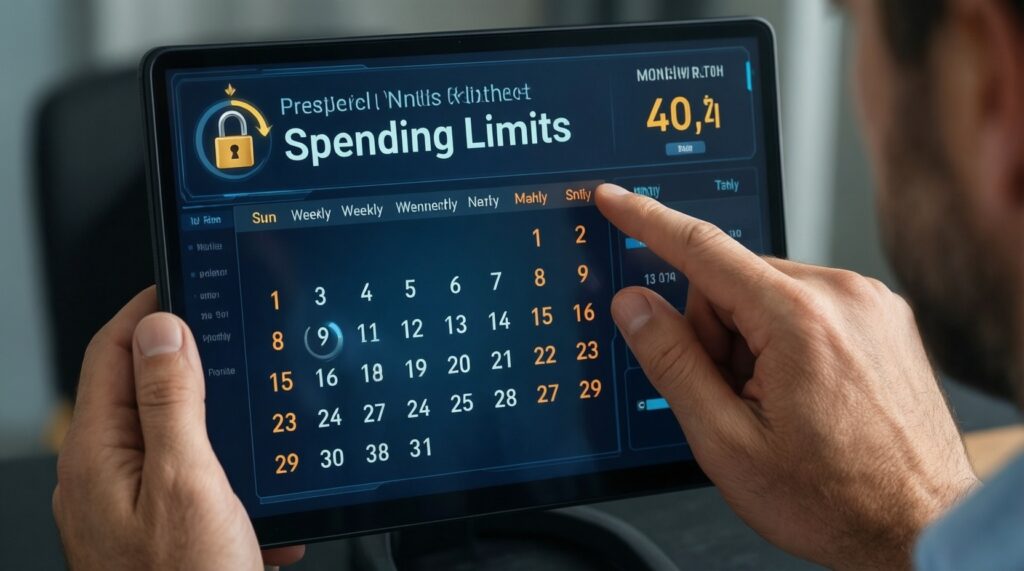
Use weekly/monthly limits, not only per-session caps, and adopt a rule that loosening limits must wait until the next reset. Tightening limits can be immediate.
Are deposit limits enough on their own?
No. Deposit limits reduce top-ups, but you still need time limits and reality checks to stop long sessions and chasing behavior.
When should I use cool-off versus self exclusion gambling?
Use cool-off when you need a short forced break to regain control. Use self-exclusion when you have repeated relapses, hide gambling, or cannot stop once play begins.
What interval works best for gambling reality check reminders?
Choose the shortest interval you won't ignore. If you dismiss reminders automatically, pair them with a device timer that forces you to leave the app to stop it.
What is the simplest way to track progress without complex spreadsheets?
Once a week, record three numbers: total deposits, total withdrawals, and net spend. Add one behavior marker: number of deposits.
What should I do if I keep increasing limits mid-week?
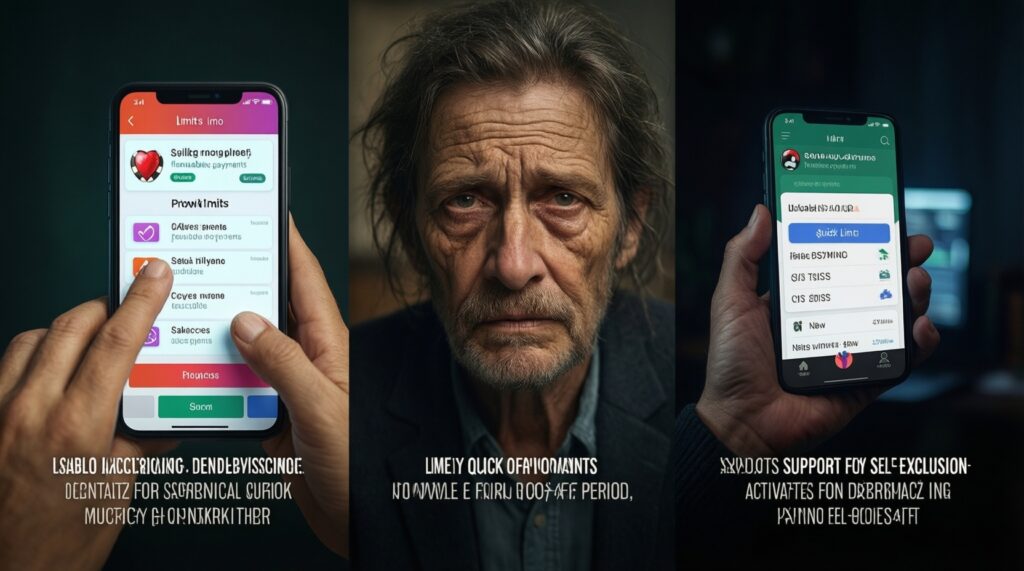
Switch to harder controls: lock your limits, remove fast payment methods, and set a cool-off. If the pattern continues, move to self-exclusion and seek support.