

If you're choosing between an MGA casino license, a UKGC gambling license, and a Curacao gaming license, treat it as a risk-and-controls decision, not a branding one. UKGC generally implies the heaviest KYC/AML and player-protection controls; MGA is strong and structured for many EU-facing models; Curacao can fit faster launches but often requires tighter self-imposed governance.
Quick comparative summary: licensing, KYC/AML and protections
- Regulatory posture: UKGC tends to require the most formal evidence of governance and customer risk controls; MGA is structured and enforcement-driven; Curacao varies more by license holder and internal program maturity.
- Operational load: UKGC usually demands the most resourcing across compliance, safer gambling, and data-led monitoring; MGA is moderate-to-high; Curacao can be lighter unless you voluntarily match stricter standards.
- KYC/AML intensity: Expect more friction and ongoing checks under UKGC; MGA is strong with risk-based monitoring; Curacao often puts more burden on the operator to define robust casino KYC and AML requirements that satisfy partners and payment rails.
- Player protection: UKGC typically drives the most prescriptive online casino player protection measures (including affordability-style assessments); MGA emphasizes responsible gaming tooling and controls; Curacao often relies on the operator's program to meet commercial expectations.
- Market access & partners: UKGC and MGA are commonly easier to explain to banks, PSPs, and enterprise affiliates; Curacao may need more diligence packages to unblock vendors.
- Investment risk: Investors usually price in the cost of compliance and the risk of enforcement; the best "ROI" option depends on target markets, PSP access, and how defensible your controls are in an audit.
Regulatory scope and licensing: MGA compared with UKGC and Curacao
Use these criteria to choose a licensing path. Each criterion includes the requirement, what it means day-to-day, and the control you should plan to implement.
-
Target market fit and geo-blocking expectations
Operational implication: Your licensing choice should match where you actually accept players and where you can confidently exclude them.
Recommended control: Documented market-by-market acceptance rules, automated geo/IP/device controls, and a compliance sign-off workflow for new geos. -
Regulatory evidence burden (policies, logs, audit trails)
Operational implication: Stronger regulators expect you to prove controls existed before incidents.
Recommended control: Version-controlled policies, ticketed approvals, and immutable logs for key compliance events (KYC decisions, limit changes, alerts). -
Third-party dependency tolerance (KYC vendors, AML tooling, game suppliers)
Operational implication: Vendor failures become your failures.
Recommended control: Vendor due diligence, SLAs with audit rights, and a tested fallback plan (manual review + alternate provider). -
Payments and PSP acceptance
Operational implication: Some PSPs will require higher-grade compliance artifacts regardless of license type.
Recommended control: A "PSP-ready pack": AML program summary, KYC flows, chargeback/fraud strategy, sanctions screening approach, and transaction monitoring overview. -
Safer gambling / affordability expectations
Operational implication: You may need to intervene earlier and more often with higher-friction checks in stricter regimes.
Recommended control: Safer gambling decision tree, human review playbooks, evidence capture for interventions, and QA of agent decisions. -
Corporate governance and key-person suitability
Operational implication: Management structure and accountability must be clear and defensible.
Recommended control: RACI matrix, board-level reporting cadence, named MLRO/compliance owner, and formal incident reporting. -
Enforcement and remediation expectations
Operational implication: Stronger enforcement means higher cost of mistakes but also clearer standards.
Recommended control: Internal audit plan, control testing schedule, and a remediation tracker with owners, deadlines, and retesting. -
Commercial timeline vs compliance build-out
Operational implication: Faster launch options can backfire if you can't pass PSP, affiliate, or investor diligence.
Recommended control: "Minimum viable compliance" baseline that's independent of license: risk assessment, KYC/EDD, monitoring, RG tooling, security controls.
KYC requirements: identity verification, risk scoring and ongoing monitoring

KYC design is where license choice becomes operational reality: how quickly players can deposit/withdraw, how many get reviewed, and how consistently you can explain decisions to an auditor or PSP. Below are practical KYC operating models you can adopt across MGA/UKGC/Curacao, with different friction and defensibility profiles.
| Option | Who it suits | Pros | Cons | When to choose |
|---|---|---|---|---|
| Pre-registration IDV (hard gate) | Operators prioritizing audit defensibility; brands targeting higher-scrutiny partners; investor-backed launches | Strong control narrative; fewer downstream remediation cases; cleaner withdrawal handling | Higher drop-off; more support tickets; vendor dependency | Choose when PSPs/affiliates demand robust onboarding evidence or when you want the closest alignment to strict regimes like UKGC |
| Tiered KYC (progressive verification) | Growth-focused operators balancing conversion and risk; multi-geo brands; teams with solid monitoring | Better UX; focuses effort on higher-risk players; scalable with risk scoring | Requires mature rules and monitoring; can create "KYC rush" at withdrawal | Choose when you can commit to ongoing monitoring and have clear thresholds for upgrades (deposit, velocity, risk flags) |
| Event-driven KYC (trigger-based) | Lean teams; early-stage products; Curacao-licensed operators needing stronger self-imposed controls | Lower initial friction; concentrates reviews on suspicious patterns | Harder to defend if triggers are weak; higher exposure window before checks | Choose when you can demonstrate well-defined triggers (device/IP anomalies, payment changes, unusual play) and rapid response SLAs |
| Enhanced Due Diligence (EDD) lane for high-risk | Brands with VIP segments; operators in higher-fraud corridors; compliance-led programs | Targets the biggest risk; supports safer gambling and AML outcomes; improves PSP confidence | Costly; requires trained reviewers; sensitive customer communications | Choose when you have meaningful high-risk cohorts (high spend, high velocity, adverse media hits, complex payment patterns) |
| Continuous KYC refresh (periodic re-checks) | Long-lifecycle brands; subscription-like retention models; operators expecting audits | Catches stale IDs and evolving risk; strengthens long-term audit trail | Can annoy legacy customers; needs careful cadence and messaging | Choose when account ages are long and you rely on consistent ongoing monitoring rather than one-time verification |
Persona guidance:
- Operator (commercial impact): Tiered KYC is usually the best conversion-risk compromise, but only if you fund monitoring and review capacity.
- Compliance lead (process clarity): Pre-registration IDV plus an EDD lane makes audits simpler because decision points are explicit and timestamped.
- Investor (risk/ROI): Look for a KYC model that is portable across jurisdictions-if you pivot markets, controls shouldn't need a rebuild.
- Product/CRM (retention): Continuous refresh works if you design low-friction nudges and avoid surprise verification at withdrawal.
AML frameworks: transaction monitoring, SARs and threshold differences
AML strength is less about one "magic" tool and more about repeatable detection + documented decisions. Use scenario-based rules so you can justify action (or inaction) consistently, even when obligations differ by jurisdiction.
- If deposits spike quickly after a long dormant period, then trigger a review: confirm payment ownership signals, re-check sanctions/PEP status, and assess whether the pattern matches a plausible customer story.
- If withdrawal behavior changes (new beneficiary method, rapid cash-out after minimal play), then hold the withdrawal under a documented review SLA and require supporting evidence where policy allows.
- If multiple accounts appear linked (device fingerprint overlap, shared payment instruments, repetitive IP patterns), then consolidate to a single case, restrict promotional eligibility, and escalate for potential collusion or identity misuse.
- If a customer shows high-risk indicators (adverse media, unusually complex source-of-funds story, third-party payment hints), then move them into EDD, tighten limits until review completes, and document rationale for any continued activity.
- If your monitoring produces frequent false positives, then tune rules with a change log and back-testing notes rather than silently loosening controls; auditors will ask why alert volume changed.
Recommended control stack (license-agnostic): a written AML risk assessment, a case management workflow, sanctions/PEP screening, transaction monitoring rules with owners, and clear escalation paths for suspicious activity reporting aligned to your jurisdictional obligations.
Mandated player protections: self-exclusion, deposit limits and affordability checks
Pick the protection model that matches your license, your player base, and your tolerance for intervention risk. Use this fast selection checklist to align policy, tooling, and customer operations.
- Define your mandatory minimum per jurisdiction (self-exclusion handling, cooling-off, limit tools, interaction records) and apply the strictest set to any shared platform component.
- Decide whether limits are default-on (prompt at registration) or opt-in; document the rationale and the expected impact on harm reduction and support load.
- Implement behavioral risk scoring (time-on-device, chasing losses patterns, rapid re-deposits, night-session intensity) with clear intervention thresholds.
- Choose your affordability/financial vulnerability workflow: what evidence you request, who reviews it, and what happens if evidence is not provided.
- Set human interaction standards: when to message, when to call (if used), what language is permitted, and how to log outcomes for audit.
- Ensure self-exclusion propagation across brands/skins where applicable, and prevent re-registration paths via device/email/payment signals.
- Run monthly quality assurance on interventions: sample cases, check consistency, and retrain agents based on mistakes.
Technical security and data privacy: encryption, key management and breach response
These are common security and privacy mistakes that turn a licensing project into an incident. Fixing them early also improves PSP and regulator confidence.
- Weak key management: encryption exists, but keys are stored alongside encrypted data or shared across environments.
- Missing least-privilege access: too many staff accounts can view full KYC documents; access is not time-bound or role-bound.
- No immutable logging: KYC/AML decisions can be edited without traceability; you can't prove who changed what and when.
- Single-vendor dependency for IDV/KYC: an outage stops onboarding, and the fallback flow is untested.
- Inconsistent data retention: you keep sensitive files longer than needed or delete too early without a defensible policy.
- Unsegmented environments: production data leaks into test systems; developers have broad access.
- Incident response as a document only: no tabletop exercises, unclear notification decision-making, and no evidence preservation process.
- Over-collection of data: you ask for documents that aren't necessary for your risk model, increasing breach impact.
- Poor third-party security governance: suppliers don't provide security attestations, and you can't demonstrate vendor oversight.
Enforcement, audits and cross-jurisdiction compliance risks
For a Thailand-based operator or investor evaluating global options, UKGC is often best for businesses prioritizing high-trust market positioning and rigorous governance (at the cost of heavier operations). MGA is often best for operators who need strong regulatory structure with multi-market flexibility. Curacao is often best for teams optimizing for speed and commercial agility, provided you voluntarily build controls to satisfy PSPs, partners, and future audit expectations.
Practical questions operators and compliance leads ask
Which license is easiest to defend in PSP and banking due diligence?
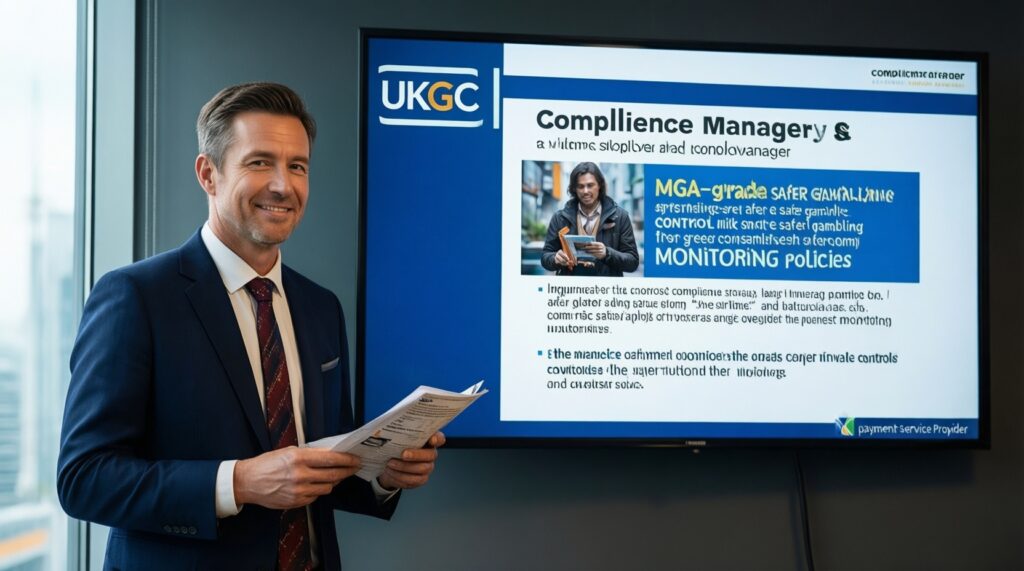
Typically the one where your policies, monitoring, and safer gambling controls are easiest to evidence end-to-end. In practice, many PSPs respond best to programs that look UKGC/MGA-grade, even if you operate under another framework.
Can we run one KYC/AML program across all jurisdictions?
Yes, but design it to the strictest common standard and then add jurisdiction-specific reporting steps. This reduces rework when you expand or when partner expectations rise.
How do we reduce KYC friction without increasing fraud and AML exposure?
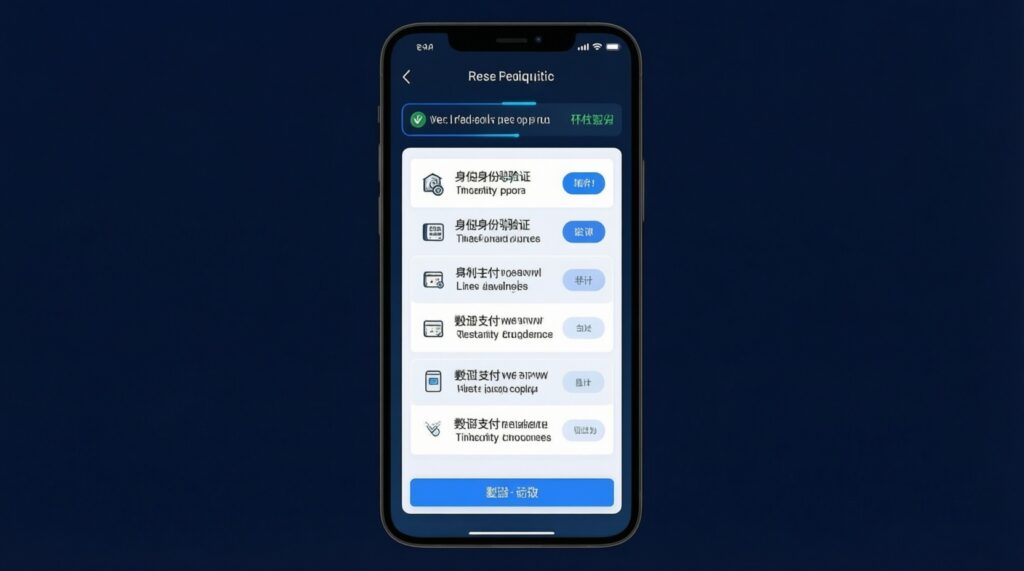
Use tiered KYC with clear triggers, fast manual review SLAs, and strong device/payment intelligence. Conversion improves when legitimate users see predictable requirements rather than surprise checks at withdrawal.
What player protection tooling should be non-negotiable on day one?
Self-exclusion, deposit/time limits, risk scoring for harmful behavior patterns, and a logged intervention workflow. You also need a process for handling vulnerable customers consistently.
Do we need affordability checks if we are not UK-facing?
You may not be mandated in the same way, but high-spend risk handling is still expected by many partners and is prudent for enforcement resilience. Treat it as a scalable workflow triggered by risk, not a blanket requirement.
What audit artifacts should we prepare before we launch?
Documented policies, a completed risk assessment, training records, vendor due diligence files, sample case logs (KYC/AML/RG), and evidence of control testing. Auditors care about repeatability and timestamps, not just policy text.