
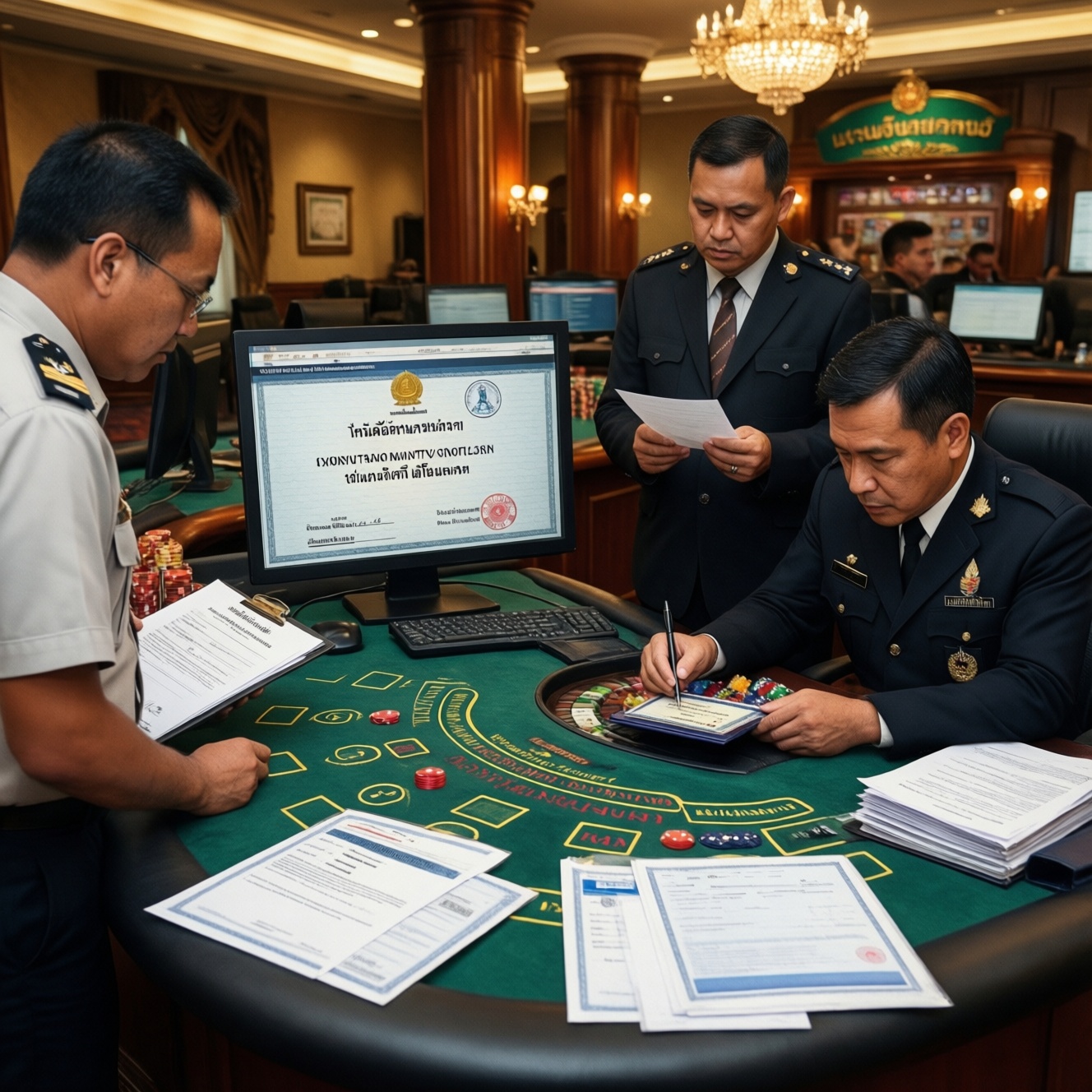
If your goal is safer play (or lower operational risk) in Thailand's cross‑border reality, focus on what the license can actually enforce: player rights, complaint handling, audits, and payment/identity controls. An MGA casino license typically signals stronger governance; a Curacao gambling license can be workable but varies by operator; a PAGCOR online casino license is most meaningful when you are inside its regulated ecosystem.
Snapshot: What Each License Actually Protects
- MGA (Malta): clearer rulebook, more structured compliance expectations, and more formal pathways for complaints-best when you want predictable governance.
- Curacao: protections depend heavily on the specific licensee's controls and how disputes are handled-best when you can verify operator practices, not just the badge.
- PAGCOR: strongest when the operator is demonstrably under the Philippine regulatory perimeter and you can use its established dispute channels-best for PH-aligned operations and players.
- For players: "licensed" is not automatically "safe"; licensed online casinos still differ in withdrawals, chargeback posture, and KYC strictness.
- For operators: your real exposure comes from payments, AML/KYC, and enforcement reach; license choice should match where customers, banks, and partners expect accountability.
Regulatory Scope and Legal Authority: MGA vs Curacao vs PAGCOR

Use these criteria to choose a licensing "fit" based on enforceability rather than marketing value:
- Regulatory perimeter: where the regulator's authority clearly applies (operator location, servers, key suppliers, target markets).
- Supervision depth: how much ongoing monitoring you should expect after approval (reporting, inspections, compliance reviews).
- Complaint governance: whether player disputes have a defined path with documented timelines and escalation steps.
- Technical controls: expectations for RNG/game integrity and third‑party testing acceptance.
- AML/KYC obligations: how strictly identity, source-of-funds checks, and suspicious activity handling are embedded in day-to-day operations.
- Payments compatibility: likelihood that PSPs, banks, and major vendors will treat the license as "low-friction."
- Public transparency: how easy it is to verify license status, corporate entity, and permitted activities.
- Enforcement reach: practical ability to compel remediation (not just the ability to revoke a license).
Consumer Protection Mechanisms and Dispute Resolution
For intermediate users comparing online casino safety and security, dispute handling is the quickest place to separate "paper licensing" from real accountability. Treat the license as a baseline; then confirm the operator's actual process (contacts, evidence requirements, timelines, and escalation).
| Variant | Who it suits | Pros | Cons | When to choose |
|---|---|---|---|---|
| MGA-licensed operator | Players seeking predictable dispute pathways; operators targeting compliance-minded partners | More structured consumer protection expectations; clearer compliance posture for many vendors | Often stricter KYC/withdrawal checks; less tolerance for informal workflows | Choose when you value governance and escalation options over fastest onboarding |
| Curacao-licensed operator (verified process) | Players who can vet T&Cs and support; operators prioritizing speed and broad market access | Can be efficient to operate; workable if the operator runs strong internal controls | Protection quality varies widely; dispute outcomes can depend on operator cooperation | Choose only after confirming dispute steps, responsible gaming controls, and withdrawal evidence rules |
| PAGCOR-regulated operator | PH-aligned players/operators; businesses needing a clearer local regulatory anchor | Regulatory identity can be easier to explain in PH context; formal regulator presence | Practical relevance depends on whether you are actually inside the regulated ecosystem | Choose when your operations, payments, or customer base are closely tied to the Philippines |
| "Licensed" but no clear complaint route shown | High-risk-tolerant users (not recommended for serious bankrolls) | None that reliably improves player leverage | Weak accountability; higher chance of stalemates on voided bets/bonus disputes | Choose only if you can afford to walk away and have alternative verification signals |
| Unlicensed / unverifiable license status | Not suitable for intermediate risk management | None | Minimal recourse; highest fraud/withholding risk profile | Avoid; pick a verifiable license and documented operator process instead |
Financial Safeguards: Segregation, Audits and Player Fund Recovery
Think in "recourse scenarios" rather than labels. Use these practical if/then rules:
- If you care about recoverability during a payout dispute, then prioritize operators that document withdrawal rules, identity checks, and evidence standards up front, regardless of whether it's MGA, Curacao, or PAGCOR.
- If you are depositing meaningful amounts, then choose operators that publish clear corporate identity, license verification, and support escalation steps; vague entity details increase the risk of dead-end recovery.
- If your main risk is "account closure / enhanced due diligence," then favor operators with predictable KYC flows (often more formal under an MGA casino license) and keep your documentation ready to avoid payment friction.
- If your risk is "payment rail failure or PSP refusal," then select the license/operator combo most compatible with mainstream PSP expectations; in practice, payment partners may scrutinize Curacao setups more heavily unless the operator is exceptionally transparent.
- If you run an operation and worry about chargebacks/fraud, then pick the framework that supports consistent AML/KYC and transaction monitoring, even if it slows onboarding.
Operational Controls: RNG, Game Certification and AML/KYC Requirements
Use this fast selection algorithm to filter to safer licensed online casinos (and to sanity-check what a license likely enforces):
- Verify the license number and the exact licensed entity name (not just the brand); mismatch is a stop sign.
- Confirm the operator lists its dispute path (support → compliance → regulator/ADR where applicable) and the evidence required for disputes.
- Check whether games are supplied by recognizable vendors and whether testing/certification is referenced in a consistent, auditable way.
- Review AML/KYC triggers: what events cause enhanced checks (withdrawals, large wins, unusual patterns) and whether the terms are specific.
- Assess account security posture: 2FA availability, session/device controls, and withdrawal security steps (even simple measures reduce takeover risk).
- Look for responsible gaming tooling and enforceable limits (deposit/loss/timeouts) that are actually usable in the account.
- Run a "small withdrawal test" before scaling deposits; operational reality beats promises.
Jurisdictional Enforcement, Blocking and Cross‑Border Limitations

These are common selection mistakes for Thailand-based users comparing MGA vs Curacao vs PAGCOR:
- Assuming the presence of a license badge guarantees effective cross-border enforcement in your country.
- Not distinguishing between a license for the brand and a license for the specific legal entity operating your account.
- Ignoring the operator's terms on voided bets, bonus confiscation, and "irregular play" definitions-disputes often hinge on these clauses.
- Overlooking that payment processing and KYC decisions are often operational (PSP and fraud controls), not purely "regulator-driven."
- Using the license type as a shortcut while skipping the only things you can verify: complaint path, withdrawal rules, and identity checks.
- Believing "no KYC" is a safety feature; in practice, it can increase lockups later when you try to withdraw.
- Not planning for access volatility (domain changes, payment method availability, geo restrictions), which can disrupt support and withdrawals.
- Mixing multiple accounts or payment instruments without consistency; this commonly triggers AML flags and delays.
Risk Matrix and Decision Tree: Which License Fits Your Use Case
Mini decision tree (player or operator)
- If you need the most structured governance and clearer dispute expectations, start with an MGA casino license operator and verify entity + complaint route.
- If your primary constraint is speed/flexibility and you can do deeper due diligence, shortlist a Curacao gambling license operator only after confirming withdrawal evidence rules, escalation steps, and consistent KYC triggers.
- If your business or play is closely tied to the Philippines (partners, payments, customer base), prioritize a demonstrably regulated PAGCOR online casino license operator and confirm you're actually within its regulated offering.
- If any option lacks verifiable license status or shows no workable dispute path, eliminate it before comparing bonuses, UX, or game catalog.
Best fit typically looks like this: MGA for users who prioritize governance and predictable compliance posture; Curacao for those who accept higher variability but can verify operator controls in detail; PAGCOR for Philippines-aligned use cases where local regulatory anchoring matters. None replaces operator due diligence on withdrawals, KYC, and support escalation.
Common Practitioner Concerns and Quick Answers
Is an MGA casino license automatically "safer" for Thai players?
It usually signals more structured governance, but safety still depends on the operator's payout rules, KYC handling, and dispute process. Verify the licensed entity and the complaint route before depositing.
What's the biggest risk with a Curacao gambling license casino?
Variability: two Curacao-licensed operators can behave very differently on withdrawals and disputes. Treat it as a starting point, then validate terms, support escalation, and payment/KYC consistency.
When does a PAGCOR online casino license matter most?
When you are clearly within the operator's regulated Philippine offering and can rely on its formal oversight and dispute channels. If you're effectively offshore from that ecosystem, the practical protections may weaken.
How can I verify I'm using genuinely licensed online casinos?
Match the license number and legal entity to the operator running your account, then confirm the permitted activities align with casino operations. If the entity name is hidden or inconsistent, avoid.
What should I check first for online casino safety and security?
Withdrawal rules, KYC triggers, dispute escalation steps, and account security controls. These determine whether you can actually get paid and resolve issues.
Does "no KYC" mean lower friction and better privacy?
It can mean higher risk of later withdrawal lockups when checks are eventually required. Predictable KYC up front is often safer than surprise verification after a big win.