
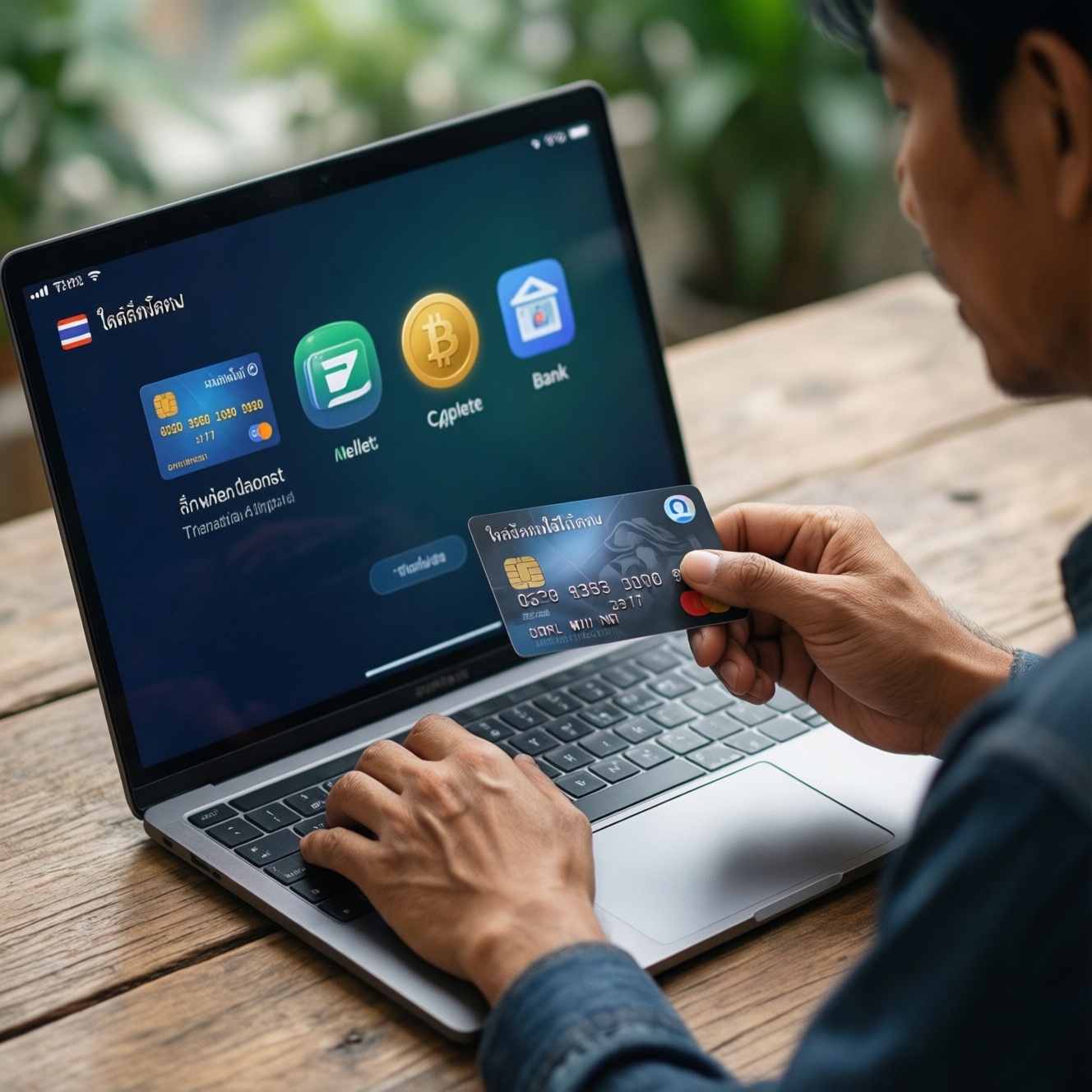
To move funds safely across cards, e‑wallets, crypto, and bank transfers, verify your identity, match the payout method to the deposit method, and confirm limits before sending. This guide shows how to deposit and withdraw money online with practical checklists, an e‑wallet step flow, and quick diagnostics for failed, delayed, or reversed transactions in Thailand.
Essentials at a Glance: What to Know Before You Move Money
- Use the same name across your account, payment method, and KYC documents to avoid payout holds.
- Expect "deposit method = withdrawal route" rules; plan your first deposit accordingly.
- Separate "available balance" from "withdrawable balance" (bonuses, unsettled bets/orders, pending chargebacks).
- Confirm limits, fees, and currency conversion before sending; screenshots help disputes and reconciliation.
- For risk control, whitelist payout destinations (bank account, wallet address) and keep 2FA enabled.
- If timing matters, compare rails first; bank transfer deposit and withdrawal processing time is usually the least predictable.
Preparing Your Account and Completing KYC
- Log in and confirm your profile name, date of birth, and address are consistent.
- Complete KYC: ID + selfie/liveness + proof of address (as required by the platform).
- Verify your email and phone; enable 2FA (authenticator app preferred).
- Add and verify at least one payout method (card, e‑wallet, bank, or crypto address).
- Read method rules: supported currencies, minimums/maximums, and "same method" withdrawal policies.
Who this fits: users who already have a verified payment method and want fewer declines and faster payouts. When not to do this yet: if you can't pass name matching (borrowed cards/accounts) or you don't control the receiving wallet/bank account-fix ownership first.
Pro tip: Finish KYC before your first deposit so your first withdrawal doesn't trigger a surprise document hold.
Card Deposits and Withdrawals: Practical Walkthrough
- Confirm your card supports online and international/merchant transactions (bank app settings).
- Prepare 3DS/OTP access (SMS roaming, bank app push, or OTP token).
- Check that billing address format matches what your bank has on file.
- Know the platform's card policy: deposit-only vs card withdrawals allowed.
- Have a fallback payout method ready (e‑wallet/bank) if card payouts are restricted.
What you'll typically need (so the transaction isn't flagged)
- The card is in your name; you control the phone/email that receives bank OTP.
- Sufficient available credit/limit and no merchant category restrictions.
- Stable connection during 3DS verification; avoid VPNs that change location mid‑flow.
Depositing by card (safe sequence)
- Choose "Card" and your currency; double-check any FX conversion screen.
- Enter card details or use a tokenized saved card; complete 3DS/OTP.
- Wait for the final status page; then verify the ledger entry in "Transactions/History".
Withdrawing to a card (what to expect)
- Some platforms can only refund up to the deposited amount back to the card; profits go to another method.
- If the platform supports it, you may see "instant deposits and withdrawals with credit card" advertised, but withdrawals still depend on issuer processing and can post later than the approval timestamp.
Pro tip: If a card deposit fails twice, stop and call the bank-retries can trigger fraud rules and longer blocks.
E‑Wallets: Fast Funding, Payouts and Reconciliation
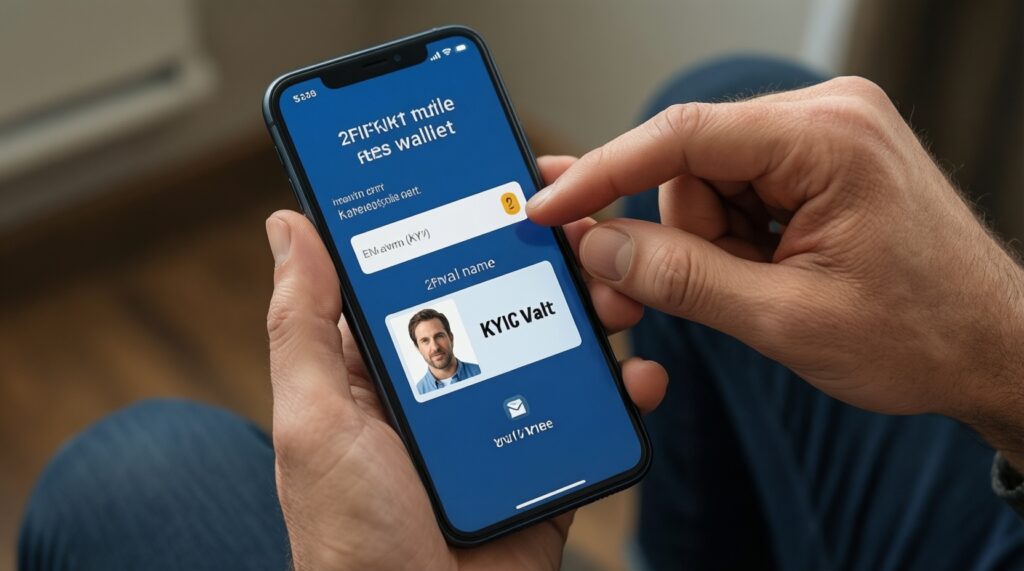
- Pick an e‑wallet you personally control; verify email/phone inside the wallet app.
- Match names: wallet profile name should align with your platform KYC name.
- Enable wallet security: 2FA, PIN/biometrics, and device lock.
- Confirm wallet fees for receiving/sending, FX conversion, and any inbound limits.
- Decide your reconciliation method: keep a single wallet per platform or per purpose.
-
Link the wallet to the platform correctly.
Use the exact wallet identifier requested (email/phone/wallet ID). Don't "guess" which identifier is used-mismatches create orphaned payments.- Keep a screenshot of the linked wallet screen and the platform confirmation.
-
Run a small test deposit.
Start with a minimum practical amount to validate the route, currency, and fee behavior before scaling.- Confirm the deposit appears in both the wallet history and the platform ledger.
-
Place your withdrawal request with matching method rules.
If the platform enforces "same method," withdraw back to the same e‑wallet used to deposit until the deposited amount is cleared.- Don't change wallet identifiers mid‑cycle; it can reset verification.
-
Reconcile statuses using references.
Compare the platform withdrawal ID with the wallet transaction/reference ID to confirm it's the same payment.- Store references in a note (date, amount, currency, IDs) for disputes.
-
Scale up only after two clean cycles.
After one deposit and one successful payout, increase amounts gradually to stay within wallet and platform risk thresholds.
Fast mode (3-5 steps)
- Complete wallet verification + 2FA, then link the correct wallet ID on the platform.
- Do one small deposit and confirm it posts in both ledgers.
- Request a withdrawal to the same wallet and save both transaction IDs.
- After it lands, scale amounts and keep one reconciliation note per transaction.
If you're choosing between providers, define "best e-wallet for deposits and withdrawals" as the one with reliable local top-ups in Thailand, clear inbound/outbound limits, and predictable FX-not just the lowest advertised fee.
Pro tip: Treat every new wallet link as "untrusted" until a small deposit and a small withdrawal both clear end-to-end.
Cryptocurrency Transfers: Wallet Setup, Fees and Confirmations
- Use a reputable wallet you control; back up the seed phrase offline.
- Pick the correct network for the asset (e.g., USDT on the exact chain required).
- Copy/paste addresses; never retype. Use address book/whitelisting if available.
- Account for network fees and minimum withdrawal thresholds.
- Send a small test transaction before moving a larger amount.
Confirmation checklist (use this to verify the result)
- The asset and network match on both sides (token + chain).
- The deposit address matches exactly (first/last characters) and hasn't changed since you opened the deposit screen.
- If required, the memo/tag (destination tag) is included and correct.
- The transaction hash (TXID) exists on a public block explorer for that network.
- Explorer shows "confirmed" and increasing confirmations (not pending forever).
- The received amount equals sent amount minus network fee (as applicable).
- The platform shows the same TXID (or links to it) in transaction history.
- If it's stuck, you can identify whether the delay is "not broadcast," "mempool congestion," or "platform crediting queue."
For intermediate users who want a repeatable flow, treat this as your crypto deposit and withdrawal guide: network match, test first, then verify via TXID before escalating.
Pro tip: If the platform supports address whitelisting with a delay, enable it-one extra step is cheaper than a wrong-network transfer.
Bank Transfers and ACH: Timing, Limits and Recordkeeping
- Confirm the beneficiary details exactly (name, account number/IBAN, bank code/SWIFT as applicable).
- Use the correct transfer type offered (local transfer vs international; real-time vs standard).
- Include the reference/payment note exactly as instructed (some platforms require it).
- Keep proof: receipt, reference number, timestamp, and sender account details.
- Plan for cut-off times, weekends, and bank compliance checks.
Common mistakes that cause delays or returns
- Wrong or missing reference code in the transfer note (payment can't be matched automatically).
- Sender name doesn't match the platform account/KYC name.
- Using a business account when only personal accounts are accepted (or vice versa).
- Sending in an unsupported currency and triggering forced conversion or rejection.
- Assuming "approved" means "settled" (platform approval can precede bank settlement).
- Ignoring bank cut-off times; transfers initiated late may process next business day.
- Requesting a withdrawal to a new bank account without re-verification.
- Not saving a transfer receipt-support can't trace without a reference.
If you're comparing rails, "bank transfer deposit and withdrawal processing time" depends on your bank, cut-off windows, and compliance checks, so always keep a documented trail for support.
Pro tip: Use a consistent sender bank account for deposits-frequent changes look like third-party funding and get reviewed.
Troubleshooting Transactions and Strengthening Security
- Check status in both systems (platform ledger + bank/wallet/chain explorer).
- Validate method rules: same-method policy, turnover/bonus locks, pending verification.
- Confirm limits and fees: minimums, daily caps, and FX conversion.
- Collect evidence before contacting support: timestamps, amounts, IDs/TXID, screenshots.
- Lock down access: change password, review login sessions, keep 2FA on.
Alternatives to switch to (when it's appropriate)
- Move from card to e‑wallet when card withdrawals aren't supported or keep getting issuer declines.
- Move from bank transfer to e‑wallet when you need faster confirmation and clearer tracking per transaction.
- Use crypto when you need cross-border settlement and you can reliably manage network selection and TXID verification.
- Use bank transfer when you need a clear audit trail for larger movements and you can tolerate variable settlement windows.
Pro tip: Don't "method-hop" mid-issue-finish diagnosing one rail, then switch with a small test transaction.
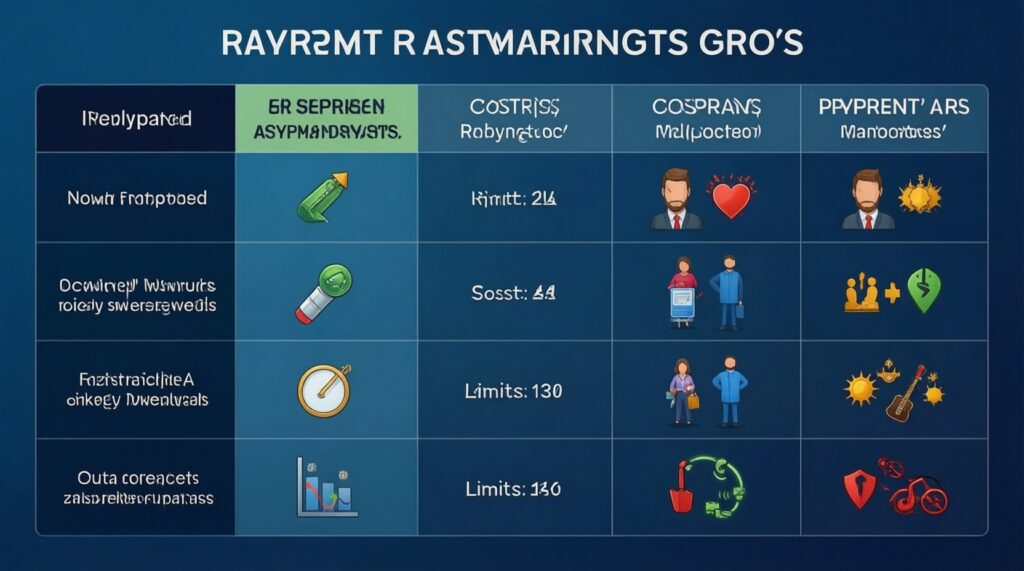
Comparison table: picking the right rail for your next move
| Method | Typical speed (relative) | Cost drivers | Typical limits (relative) | Primary risk / failure mode |
|---|---|---|---|---|
| Card | Deposits: fast; Withdrawals: variable by issuer | FX conversion, issuer/processor fees, chargeback overhead | Often moderate | Issuer declines, 3DS/OTP failures, refund-only withdrawal rules |
| E‑wallet | Often fast for both directions | Wallet transfer fees, FX spreads, top-up fees | Varies by wallet verification tier | Wrong identifier, unverified wallet, internal wallet limits |
| Crypto | Network-dependent; confirmations required | Network fees, slippage if swapping, withdrawal fees | Flexible, but minimums apply | Wrong network/memo, irreversible transfers, delayed crediting queues |
| Bank transfer | Often slowest/most variable | Bank fees, intermediary fees (international), FX conversion | Often higher with stronger auditability | Reference mismatch, compliance checks, cut-off/holiday delays |
Quick Answers to Common Transaction Scenarios
Why does my deposit succeed but my withdrawal is locked?
Most commonly it's KYC incomplete, a bonus/turnover lock, or "same deposit method" enforcement. Check verification status and withdrawal rules before opening a ticket.
Are instant deposits and withdrawals with credit card actually instant?
Card deposits can be near-immediate, but withdrawals depend on issuer posting and platform policy. Treat "instant" as approval speed, not guaranteed settlement time.
What is the safest way to test how to deposit and withdraw money online on a new platform?
Do a minimum deposit, then a minimum withdrawal to the same method, saving all transaction IDs. Scale only after both directions clear.
How do I choose the best e-wallet for deposits and withdrawals for Thailand?
Pick one you can verify in your own name, with reliable local top-ups, clear limits, and consistent FX. Avoid wallets where you can't retrieve full transaction references.
What's the single biggest mistake in a crypto deposit and withdrawal guide workflow?

Sending the right token on the wrong network (or missing a required memo/tag). Always match chain + token + memo, then verify via TXID.
Why is my bank transfer deposit and withdrawal processing time unpredictable?
Cut-off times, weekends, intermediary routing, and compliance checks can change settlement time. Use the exact reference note and keep the bank receipt to trace it.