
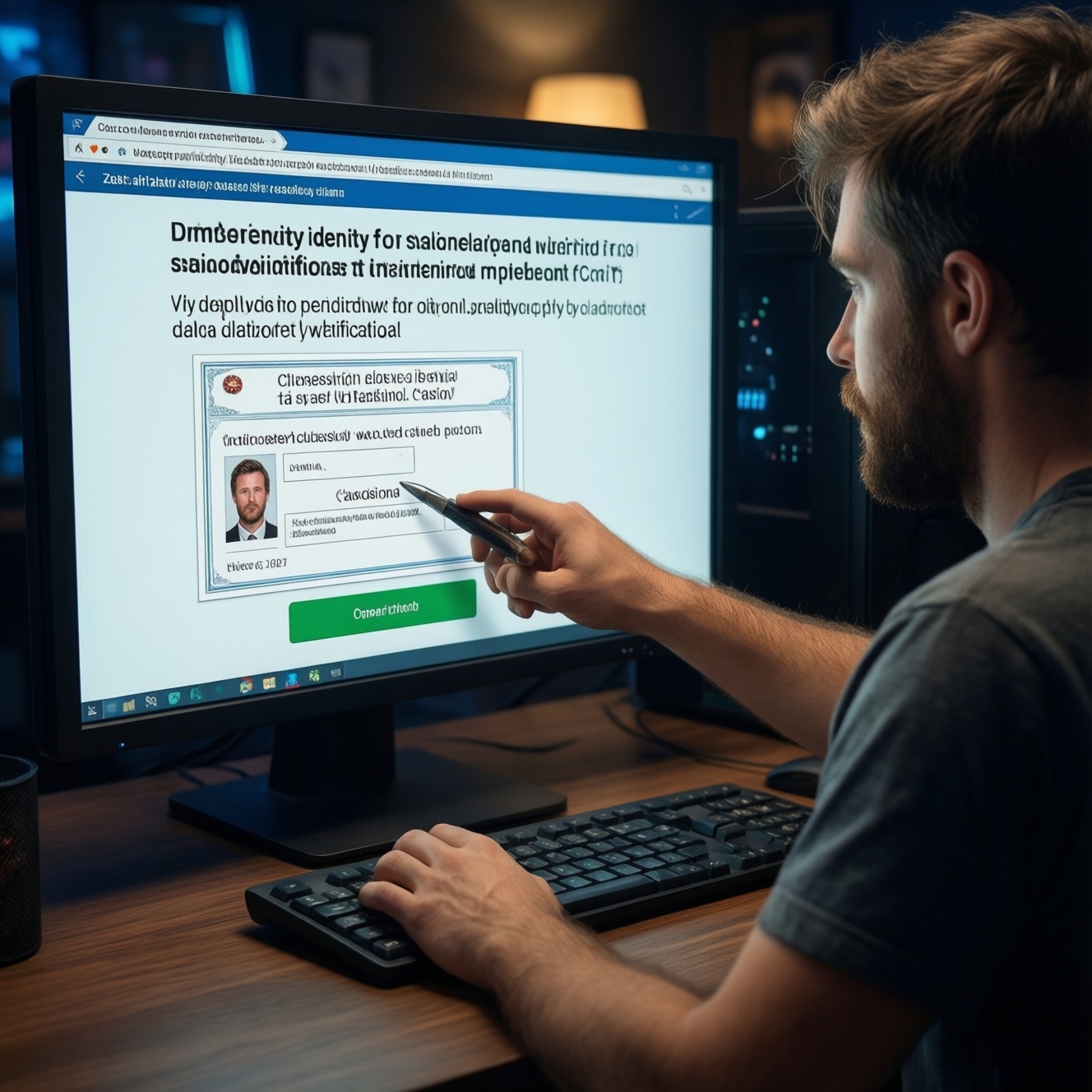
Casinos ask for KYC documents to confirm you are who you claim to be, that your payment methods belong to you, and that your play complies with legal and risk rules. This casino kyc verification is most visible during deposits and especially casino withdrawal verification, where mismatches and unclear photos cause delays. Preparing the right files upfront is the fastest way to avoid back-and-forth.
At-a-Glance: What Casinos Really Verify
- Your identity (name, date of birth) matches your casino profile and documents.
- Your address or residency (when required by policy or jurisdiction).
- Ownership of the payment method used to deposit and withdraw.
- Account security signals (device/IP consistency, unusual logins, duplicate accounts).
- Risk and compliance checks (fraud patterns, chargeback risk, sanctions/PEP where applicable).
- Age eligibility and basic responsible-gambling constraints (where required).
Common Myths About Casino KYC - Debunked
Myth: KYC is only about withdrawals. Reality: It often starts at signup, first deposit, or when your activity triggers a review; withdrawals simply make it more visible because funds cannot be paid out until checks pass.
Myth: Online casino document verification means the casino can take your money. Reality: Legit operators use verification to reduce fraud, prevent underage play, and ensure payouts go to the rightful owner; the real risk is delays when your details don't match or files are unreadable.
Myth: You can use "any document" if it shows your name. Reality: Most policies require specific, current documents and may reject edited images, screenshots, or documents with missing corners.
Myth: Changing profile details later is harmless. Reality: Late changes (name, DOB, address) commonly trigger manual checks and can extend casino withdrawal verification timelines.
Regulatory and Legal Reasons Behind Document Requests
Casinos request documents because they must meet licensing and compliance duties, and because payment networks require proof when risk increases. In practice, the operator is balancing fast payouts with preventing fraud and misuse.
- Age and identity compliance: to ensure you meet legal age and aren't impersonating someone else.
- Anti-fraud controls: to reduce stolen cards, synthetic identities, and account takeovers.
- Payment network requirements: to confirm the depositor and the withdrawal recipient are the same person, depending on method and risk flags.
- Anti-money laundering (AML) procedures: to detect abnormal patterns and document the customer relationship when thresholds or triggers occur.
- Jurisdiction and access rules: to confirm you can legally play from your location (including VPN/proxy concerns).
- Responsible gambling obligations: to enforce self-exclusion and limit circumvention via duplicate accounts.
What Documents Casinos Typically Require and Why
The exact list varies, but most kyc verification documents casino workflows revolve around a few core proofs. Below are practical mini-scenarios showing when each is typically requested.
-
Proof of identity (POI): passport, national ID, or driver's license (front/back if applicable).
Mini-scenario: You register, then request your first cashout. The system prompts POI because your account has never completed casino kyc verification before. -
Proof of address (POA): utility bill, bank statement, or official letter showing your name and address (usually recent).
Mini-scenario: You play while traveling. The casino notices a country mismatch and requests POA to confirm residency and eligibility. -
Payment method proof: depends on deposit method (card, bank transfer, e-wallet, crypto). Often used for online casino document verification to show ownership.
Mini-scenario: You deposited with a card but want to withdraw to another method. The casino asks for payment proof to prevent third-party payouts. -
Selfie / liveness check: a selfie holding ID or a quick video step, depending on the provider.
Mini-scenario: Your account shows unusual login patterns (new device + new IP). A selfie step is used to confirm the real account holder. -
Source of funds / source of wealth (sometimes): supporting documents when risk triggers occur.
Mini-scenario: You make a large deposit relative to your history or show high-volume transactions; compliance requests extra context to satisfy AML controls.
How Verification Processes Work: From Upload to Approval
Most operators run a mix of automated checks (OCR, authenticity signals, data matching) and human review for edge cases. You can speed up the process by treating it like a compliance checklist rather than a casual upload.
What typically happens behind the scenes
- Upload: you submit images/files inside the account area (sometimes via a secure link).
- Auto-check: the system reads fields (name, DOB, document number), checks image quality, and compares them to your profile.
- Risk routing: low-risk cases may auto-approve; higher-risk cases are queued for manual review.
- Payment alignment: the cashier team verifies the withdrawal route matches policy (same-name ownership, method availability).
- Decision: approved, rejected with a reason, or "need more info" request.
Actions that usually speed up approval
- Use the same name format everywhere (avoid mixing nicknames with legal names).
- Upload full frames: all corners visible, no cropping, no glare, no blur.
- Submit POI + POA together if the casino allows it, rather than waiting for the next request.
- Keep payment method consistent from deposit to withdrawal when possible.
- Respond in one message with all requested items to reduce queue resets.
Top Causes of Verification Delays and How to Prevent Them

When players ask "how long does casino verification take", the most accurate answer is: it depends on whether your files pass on the first attempt and whether your activity triggers manual review. The preventable delays below are the ones you can control.
- Profile mismatch: your account name/address differs from the document.
Prevent: correct your profile before uploading; avoid last-minute edits right before a withdrawal. - Poor image quality: blur, reflections, missing corners, screenshots of photos.
Prevent: take photos in daylight, place document on a dark surface, and upload the original image file. - Expired or unsupported documents: document validity or type doesn't meet policy.
Prevent: check accepted types in the help center; prefer passport/national ID if unsure. - Third-party payment method: card/e-wallet belongs to someone else.
Prevent: deposit and withdraw only with methods in your own legal name. - Changing withdrawal method mid-process: switching from card to bank/e-wallet after approval steps begin.
Prevent: pick one route, complete casino withdrawal verification, then change methods later if allowed. - Multiple accounts or shared devices: household members sharing a device can trigger duplication checks.
Prevent: keep one account per person; contact support before opening a second account in the same household.
Privacy, Security, and Your Rights During Casino KYC
You have the right to understand what is required, to receive a clear rejection reason when possible, and to use the casino's secure upload channel. You also have a responsibility to provide accurate information; attempts to obscure data (editing, watermarks that cover fields) often cause rejection.
Mini-case: a clean, low-friction verification flow
Situation: A player in Thailand registers, deposits via card, then requests a first withdrawal. The casino requests online casino document verification for POI + payment proof. The player prepares files in one batch to avoid repeated queue resets.
1) Check profile: legal name matches ID; DOB matches; address format consistent.
2) Capture POI: full document visible; no glare; readable text.
3) Capture payment proof: only show required fields; hide CVV/full card number if allowed by policy.
4) Upload all requested files in one session.
5) If rejected: re-upload only what was requested, following the exact rejection note.
Quick Answers to Practical KYC Concerns
Is casino kyc verification mandatory for every player?
Most licensed casinos will require it at some point, especially before the first payout or when risk triggers appear. Skipping it usually means you cannot complete withdrawals.
What does a casino usually need for kyc verification documents casino checks?
Typically proof of identity, and sometimes proof of address and payment-method ownership. The exact combination depends on the payment method and the casino's risk review.
Can I complete online casino document verification if I'm traveling?
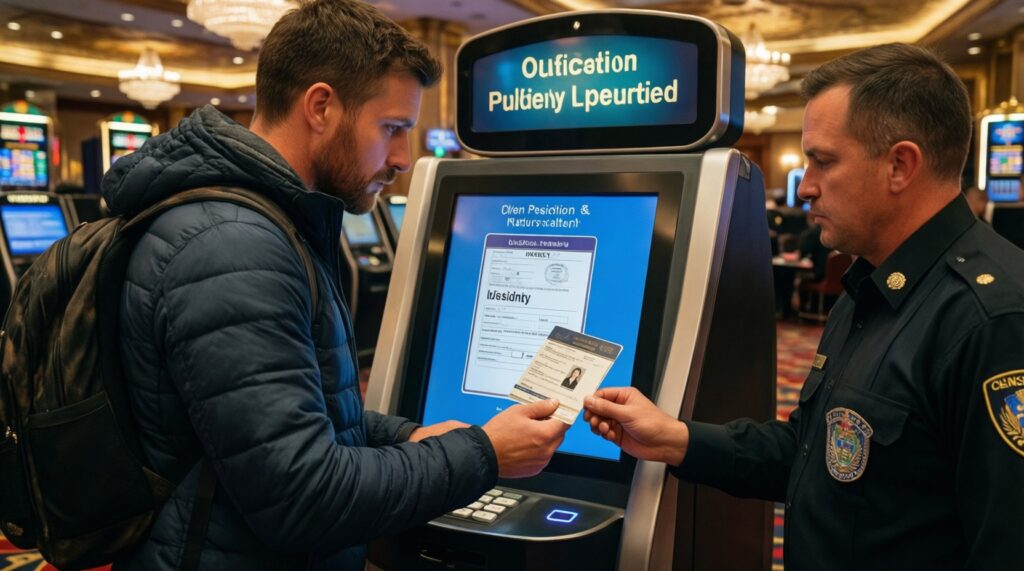
Yes, but travel can trigger extra checks if location signals change. Use the casino's official upload area and be prepared to confirm residency if asked.
Why does casino withdrawal verification take longer than signup verification?
Withdrawals add payment checks and higher fraud risk, so more cases go to manual review. Method changes or mismatched details frequently extend timelines.
How long does casino verification take in normal conditions?
It varies by operator and workload, but first-time verification is fastest when your documents are clear and match your profile. Rejections and re-uploads are the main cause of delays.
Can I withdraw to a different payment method after depositing?
Sometimes, but casinos often require the withdrawal to follow the same ownership and method rules as the deposit. Expect extra casino withdrawal verification if you switch methods.
Is it safe to send documents to a casino?

Use only the casino's secure upload channel and avoid sending documents over public chat apps or unknown emails. If you're unsure, ask support to confirm the official submission method.