If you're choosing between cards, e-wallets, crypto, and bank transfers in Thailand, start by matching the method to your priority: lowest total fees, fastest payout, or strongest dispute protection. A good deposit and withdrawal fees comparison looks beyond advertised fees to include FX, intermediary charges, and reversal risk, then picks the method that minimizes your all-in cost for your usage pattern.
At-a-Glance Summary of Costs & Settlement Times
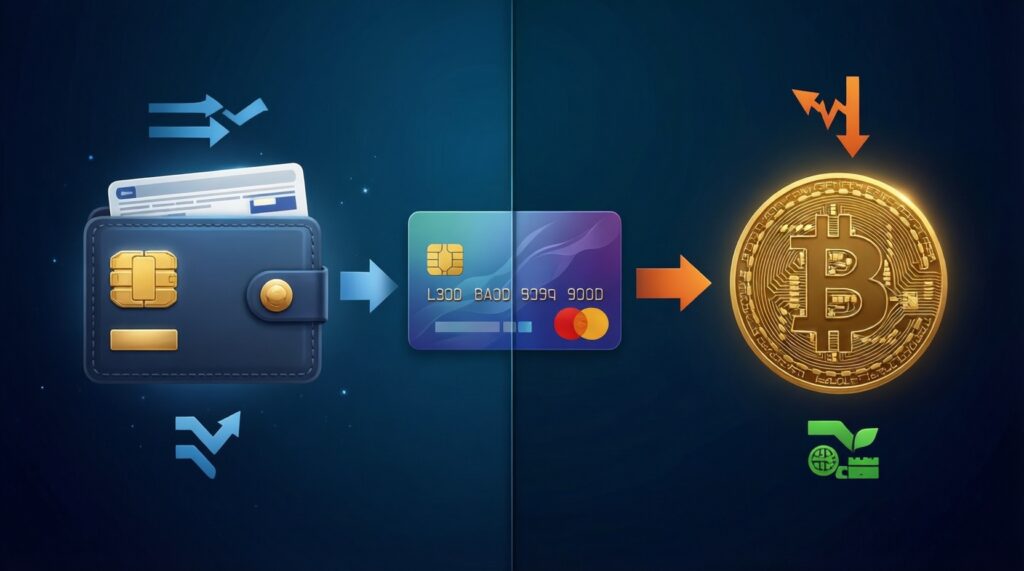
- E-wallets usually win for convenience and predictable checkout, but watch conversion and withdrawal rules.
- Cards are simple for deposits, yet withdrawals can be restricted or rerouted to bank transfer depending on the merchant and issuer.
- Crypto can be quick end-to-end, but network fees, confirmations, and price movement affect the real cost.
- Bank transfers tend to be best for higher-value cash-outs where transparency matters, though settlement can be slower.
- The "best payment method for deposits and withdrawals" is rarely universal; it changes with currency, urgency, and how often you withdraw.
Fee Structures: Cards, E‑Wallets, Crypto and Bank Transfers Compared
Use these criteria to compare methods consistently (not just the headline fee):
- Deposit fee policy: charged by the merchant, by the wallet, or by your bank/issuer.
- Withdrawal fee policy: flat vs percentage, and whether it changes by amount or method.
- FX and spread: THB-to-foreign-currency conversion rates, weekend/after-hours spreads, and "dynamic currency conversion" prompts.
- Intermediary fees: correspondent banks, receiving-bank fees, wallet-to-bank transfer charges, or on-chain network fees.
- Minimums/maximums: method limits can force multiple transactions and multiply fees.
- Cash-out eligibility: some platforms require withdrawing via the same rail used for the deposit (or to a verified bank account only).
- Compliance friction: KYC, proof-of-funds, source-of-wealth requests, and name-matching rules (especially important in Thailand where bank account names must align).
- Reversibility: chargebacks/refunds on cards vs the mostly irreversible nature of crypto transfers.
- Operational reliability: bank cut-off times, wallet maintenance windows, and blockchain congestion periods.
When people ask for a credit card vs e-wallet deposit withdrawal fees breakdown, the missing piece is often FX plus withdrawal routing: the cheapest deposit method can become expensive if withdrawals are forced onto another rail with extra steps.
Processing Speeds: Instant, Same-Day, and Multi‑Day Flows
Speed is a chain, not a single moment: initiation → approval → transfer → availability. The same method can be "instant" for deposits but slower for withdrawals due to checks, cut-off times, and receiving-bank posting.
| Option | Who it suits | Pros | Cons | When to choose |
|---|---|---|---|---|
| Credit/Debit Card (Visa/Mastercard) | Users who prioritize simple deposits and broad acceptance | Fast deposits; familiar security controls; strong dispute pathways | Withdrawals may be restricted, delayed, or rerouted; FX can be costly | Choose for quick top-ups and when chargeback protection matters more than withdrawal speed |
| E‑Wallet (regional or global) | Frequent small-to-medium transactions | Fast deposits and often fast wallet-to-merchant flows; fewer card-issuer declines | Wallet-to-bank cash-out can add time and fees; verification holds are common | Choose if you want a stable "hub" between your Thai bank and multiple merchants |
| Crypto Transfer (on-chain) | Users comfortable with self-custody and address hygiene | Potentially fast settlement; independent of bank hours | Irreversible errors; confirmations and network congestion vary; price movement risk | Choose when you need cross-border value movement and can tolerate operational complexity |
| Bank Transfer (domestic/international) | Higher-value withdrawals and users needing clear audit trails | Strong documentation; predictable receiving flow once released | Cut-off times, holidays, and intermediary banks can slow delivery | Choose for larger cash-outs, payroll-like reliability, and when name matching is strict |
| Wallet-to-Bank Cash-Out | People who deposit via wallet but want funds in a Thai bank account | Convenient bridge; reduces repeated card use | Extra leg adds delay; fees may be layered (wallet + bank) | Choose when your platform pays to wallet but you ultimately spend in THB from your bank |
| Crypto Exchange Off-Ramp to THB | Crypto users who ultimately need THB liquidity | Converts to bankable funds; can simplify merchant limitations | Adds trading/withdrawal fees and compliance checks; timing affects realized value | Choose if the merchant supports crypto but you prefer to hold or spend in THB |
If you're evaluating crypto deposits and withdrawals fees and processing time, treat it as two separate legs: (1) on-chain transfer and (2) conversion/off-ramp to THB (if needed). Each leg can add fees, checks, and waiting.
For bank transfer deposit withdrawal time and fees, remember that the "time" is frequently driven by manual review queues and bank posting rules, not the transfer instruction itself.
Hidden Costs: Conversion, Intermediary and Withdrawal Fees
Use these scenario rules to avoid surprises in your all-in cost:
- If the deposit is in THB but the merchant balance is in another currency, then prioritize methods with transparent FX (or deposit in the account currency) to avoid double conversion.
- If your withdrawals are frequent and small, then avoid methods with flat cash-out fees; choose a rail where micro-withdrawals don't get punished.
- If your platform requires "same-method" withdrawal, then don't optimize only the deposit fee-pick the method that you can also withdraw through cleanly.
- If you route via an intermediary (wallet-to-bank or crypto-to-exchange-to-bank), then treat it as stacked fees; compare the combined path, not each step alone.
- If you see optional "pay in your home currency" prompts on card checkout, then decline them unless you've verified the rate; this is a common source of hidden FX cost.
- If a crypto network is congested, then don't force urgency-either switch networks (where supported) or choose a non-crypto rail for that transaction.
A practical way to keep this clean is to write down the full route you'll actually use (deposit rail, wallet/exchange step, withdrawal rail) and compare the route totals. This is the core of any useful deposit and withdrawal fees comparison.
Risk & Reversibility: Chargebacks, Refunds and Their Cost Impact
- Confirm your worst-case scenario: accidental transfer, merchant dispute, or delayed withdrawal.
- If you need dispute leverage, favor cards (issuer dispute processes) or bank rails with documented recall/request options; avoid irreversible rails.
- If you cannot tolerate a mistaken address or memo, avoid direct crypto withdrawals; use safer rails or whitelisted addresses with small test transfers.
- Check merchant payout rules: whether refunds go to the original funding source and whether withdrawals are allowed to a different method.
- Map compliance triggers: large or unusual patterns can cause holds; prepare name-matching and proof-of-funds in advance for bank/wallet off-ramps.
- Price in operational risk: if being "stuck" is costly, choose rails with predictable support and traceability (bank transfer or major wallet).
Optimal Choices by Amount, Region and Frequency (Decision Paths)
- Optimizing for deposit fees only and discovering later that withdrawals must go via a different, pricier rail.
- Ignoring FX altogether (rate, spread, and "pay in home currency" prompts) and then blaming the payment method.
- Splitting transactions to fit limits without realizing you multiplied flat fees and compliance reviews.
- Assuming crypto is always cheaper; in practice, network fees plus off-ramp costs can exceed a simple local transfer.
- Using a card for cash-out expectations when the merchant actually pays out only to bank accounts or wallets.
- Choosing a wallet for speed but forgetting the slow part is wallet-to-bank withdrawal, not the initial deposit.
- Mismatched identity details (different name spellings between platform and Thai bank account), causing payout rejection and extra handling time.
- Not stress-testing the method with a small end-to-end cycle (deposit, then withdraw) before committing to larger flows.
When someone asks for the best payment method for deposits and withdrawals, the right answer usually depends on your "withdrawal cadence" (rare and large vs frequent and small) and whether you need THB in a Thai bank account quickly.
Decision Tree Walkthrough: Which Method to Pick in 5 Steps
- Define your end state: Do you need funds back in a Thai bank account (THB), or is keeping value in a wallet/crypto acceptable?
- Pick your priority: lowest all-in fees, fastest availability, or strongest reversibility.
- Validate the platform's withdrawal rails: confirm which methods are actually allowed for cash-out and whether "same-method" rules apply.
- Eliminate FX traps: ensure you know where conversion happens (issuer, wallet, merchant, exchange) and avoid double conversion paths.
- Run a small end-to-end test: deposit, then withdraw via the exact route you'll use; only then scale.
- If you need dispute protection → start with card deposit, but confirm withdrawal routing first.
- If you want a repeatable routine for frequent transactions → use an e-wallet as the hub, then cash out to bank when needed.
- If you need cross-border flexibility and accept irreversibility → crypto can fit, but plan the off-ramp to THB.
- If you're withdrawing larger amounts and want traceability → bank transfer is often the cleanest operationally, even if slower.
In practice: cards tend to be best for users who value reversibility and easy deposits; e-wallets are often best for routine deposits and controlled cash-outs; crypto is best when cross-border flexibility matters and you can manage on-chain risk; bank transfers are best when you prioritize traceability and predictable reconciliation. For a clean credit card vs e-wallet deposit withdrawal fees decision, start from the withdrawal method you will actually use, then work backward to the deposit rail.
Practical Concerns and Quick Clarifications
Can I deposit by card but withdraw to a bank account in Thailand?

Sometimes, but many platforms require withdrawals to follow specific rails (often the original method first, then bank). Confirm the platform's payout policy before you deposit.
Why do wallet withdrawals feel slower than wallet deposits?
Deposits are typically automated, while cash-outs often trigger verification and bank posting steps. The slow part is usually the wallet-to-bank leg.
Is crypto always the cheapest option?
No. Network fees, exchange conversion costs, and off-ramp withdrawals can add up, especially if you ultimately need THB in a bank account.
What is the most common hidden fee in Thailand-based flows?
Currency conversion at an unfavorable rate (issuer, wallet, or merchant-side). Always check where conversion happens and avoid double conversion paths.
How do I compare methods if each provider lists fees differently?
Write the full path (deposit rail → intermediate step → withdrawal rail) and compare the total. This is the most reliable deposit and withdrawal fees comparison approach.
When should I prefer bank transfer over everything else?
When you want a traceable payout to a Thai bank account and can tolerate processing windows and cut-off times. It's also helpful when name-matching and documentation matter.