

To check whether a casino is legitimate and safer to use, do an online casino license check using the regulator's official register, confirm the license covers your games and payment methods, and then verify practical safety controls like KYC, limits, and self-exclusion. This guide shows a repeatable casino license verification workflow and what to do when evidence is missing.
Snapshot: Core Licensing & Player-Protection Indicators
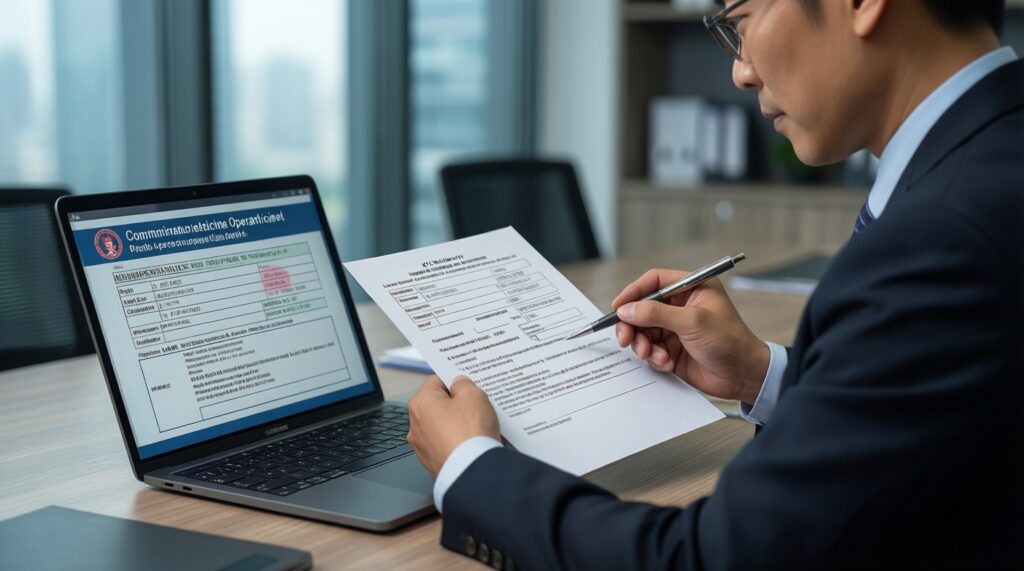
- License details are consistent across footer, Terms, and the regulator's public register (operator name, license number, domain).
- The license scope matches what you plan to use: the same domain, game verticals, and allowed payment flows.
- Clear KYC/AML policy exists and is enforced before large withdrawals, not only after you win.
- Responsible-gambling controls are available inside the account (deposit/loss/time limits, cooling-off, self-exclusion) and cannot be instantly reversed.
- Independent testing/audit references are specific and current (named lab/auditor, report period, linkable evidence).
- Support and dispute pathways are documented (complaints process, escalation route) and not hidden behind generic emails only.
Regulatory Bodies and Jurisdiction Risk Profile

This workflow fits intermediate users who can read Terms & Conditions, compare legal entity names, and cross-check regulator registers before depositing. Skip it only if you already have verified proof from an official regulator register for the exact domain you will use.
- Use this when: you're evaluating new licensed online casinos, switching domains/brands, or planning higher deposits/withdrawals.
- Do not proceed (treat as high risk) when: the casino refuses to disclose the regulator, shows a "license" without a number, or the regulator has no public register you can access.
- Quick risk rating guidance:
- Lower risk: regulator register confirms the exact domain and operator entity; policies are specific and enforceable.
- Higher risk: mismatched operator names, "master license" claims without register proof, or unclear withdrawal/KYC rules.
- Next step per finding: if anything doesn't match, pause deposits and move to verification steps below using only official regulator sources.
Step-by-Step License Verification Checklist
Before you start, gather evidence so you can verify claims without guessing.
- Casino website access in a normal browser (no VPN extensions that rewrite pages during checks).
- Screenshot tool or notes app to record the exact operator name, license number, and domain.
- Direct links to: the casino footer license text, Terms/Legal page, and the regulator's official public register page.
- Access to your account settings pages (to confirm limits, self-exclusion, and verification flow).
- A short list of payment methods you plan to use (cards, bank transfer, e-wallet, crypto) to compare against permitted flows.
Scope of a License: Games, RNG Certification and Payment Permissions
Use the steps below to confirm the license is real and actually covers the product you are about to use (games + payments), not just a brand name.
-
Capture the casino's declared license data from the site
Find the license statement in the footer and on the Legal/Terms page. Record the regulator name, license number, operator (legal entity) name, and the exact domain shown.
- Next step: if the footer and Legal page differ, treat it as a red flag and verify against the regulator register before doing anything else.
-
Confirm the operator and domain in the regulator register
Open the regulator's public register and search using the license number first, then the operator name. Ensure the registered domain matches the site you are using (including subdomains if listed).
- Next step: if the domain is missing or different, don't deposit; look for the officially listed domain or choose another site.
-
Check license status and any conditions or suspensions
In the register entry, verify the license is active and note any conditions, warnings, or suspension notes. Treat "under review" or "suspended" as stop signals.
- Next step: if status is not clearly active, move on to other safe online casinos with confirmable active status.
-
Verify the license scope: product verticals and brand coverage
Confirm that the license covers the type of gambling you will use (e.g., casino games, live casino, sports) and that the brand/trading name is included under the licensed entity where applicable.
- Next step: if your intended product isn't covered, expect voided payouts/disputes; do not proceed.
-
Confirm RNG/testing claims are specific and traceable
On the casino site, look for named independent testing labs or certificates. Treat vague claims like "RNG certified" without naming a lab/report as unverified.
- Next step: if there's no traceable evidence, reduce risk exposure (small test deposit) or choose a casino with clear audit references.
-
Validate payment permissions and withdrawal rules against the legal text
Read the cashier/payment and withdrawal sections in Terms: supported methods, verification triggers, and any method-specific restrictions (especially for bonuses and chargeback-prone methods).
- Next step: if rules are ambiguous (e.g., "we may request documents at any time" without clear process), expect withdrawal friction and avoid high balances.
Player Identity, KYC and Anti‑Money‑Laundering Controls
Use this checklist to confirm the casino's identity and AML controls are real, consistent, and not designed to trap withdrawals.
- Legal entity name and address are clearly stated in Terms/Legal and match the regulator register entry.
- KYC requirements are explained plainly (what documents, acceptable formats, typical triggers such as withdrawals or threshold events).
- Source-of-funds or source-of-wealth requests are described as conditional (and not used as an always-on excuse after wins).
- Deposit and withdrawal name-matching rules are stated (same-name accounts, third-party payment restrictions).
- PEP/sanctions/blocked-country policy is visible and enforced consistently (not discovered only at withdrawal).
- Account verification workflow exists in-product (upload area, status tracking) rather than email-only with vague instructions.
- Clear timeline expectations are described for verification and withdrawals (avoid casinos that provide no process at all).
- One-line next step: if any KYC rule is missing or contradictory, treat it as higher risk and do not park large funds there.
Responsible‑Gambling Tools: Limits, Self‑Exclusion and Support Pathways
These are the most common mistakes users make when evaluating online casino player protection tools, and how to avoid them.
- Mistake: assuming "responsible gambling" is present because there's a logo in the footer.
Fix: confirm you can set deposit/loss/time limits inside the account, not just via support email. - Mistake: choosing a casino where limits can be removed instantly.
Fix: look for a delay/cooling-off period for increasing limits; instant increases weaken protection. - Mistake: confusing "cooling-off" with "self-exclusion."
Fix: verify both exist: short breaks and longer self-exclusion, with clear duration choices. - Mistake: self-exclusion applies only to one product area (e.g., casino) while others remain open.
Fix: check whether exclusion covers the entire account across verticals and mirror domains. - Mistake: relying on support to enforce limits without written rules.
Fix: confirm the policy states how requests are handled and whether changes are irreversible during the period. - Mistake: no clear help pathway for problem gambling.
Fix: verify the site lists support contacts and a practical escalation route, not only generic "play responsibly" text. - Mistake: ignoring session and reality-check tools.
Fix: look for session timers, reality checks, and activity history so you can audit your own play. - One-line next step: if limits and self-exclusion are not available in-account, classify as higher risk and pick an alternative.
Independent Testing, Audit Reports and Transparency Signals
If the license evidence is incomplete or you want extra assurance, use these alternatives to decide whether to proceed, and when each makes sense.
- Choose a different operator with stronger public evidence
Best when you cannot complete a clean casino license verification for the exact domain. Prioritize a casino whose regulator register entry is easy to find and unambiguous. - Run a "small-stakes probation" before committing
Best when license is confirmed but operational transparency is weak. Use a small deposit, test KYC early, and perform a withdrawal test before increasing stakes. - Prefer well-known game providers with visible in-game compliance info
Best when you can't find convincing RNG/testing documentation on the casino site. Provider-level signals don't replace licensing, but they can reduce uncertainty about game integrity. - Use support as a verification tool (and judge the answers)
Best when policies are vague. Ask for the operator legal name, license number, and links to the regulator register entry; weak or evasive answers are a decision signal to leave.
Practical Answers on License Validity and Safety Features
What is the fastest online casino license check I can do before depositing?
Copy the license number and operator name from the casino's Legal page and confirm them in the regulator's public register for the exact domain. If you can't find a matching register entry, treat the casino as unverified.
Are "licensed online casinos" always safe to use?
No. Licensing reduces risk but doesn't guarantee fair support or smooth withdrawals. You still need to verify license scope, KYC rules, and responsible-gambling controls.
What mismatch matters most during casino license verification?
A domain mismatch: the register shows a different website than the one you are using. That's a strong reason to stop, because your site may not be covered by the license.
Which player controls matter most for safe online casinos?
Deposit/loss/time limits, cooling-off, and self-exclusion that you can set inside the account and cannot instantly undo. Clear access to your history (deposits, bets, withdrawals) is also essential.
Do online casino player protection tools replace self-control?

No. They are guardrails, not guarantees. Use them proactively before you start playing, not after losses accumulate.
When should I complete KYC to avoid withdrawal problems?
As early as possible-ideally right after registration or before your first meaningful withdrawal. Early KYC reduces the chance of last-minute document requests blocking payouts.
What should I do if the casino claims "RNG certified" but provides no lab name or report?
Treat it as unverified marketing. Either choose a casino with traceable testing references or limit exposure and run a small deposit/withdrawal test before continuing.