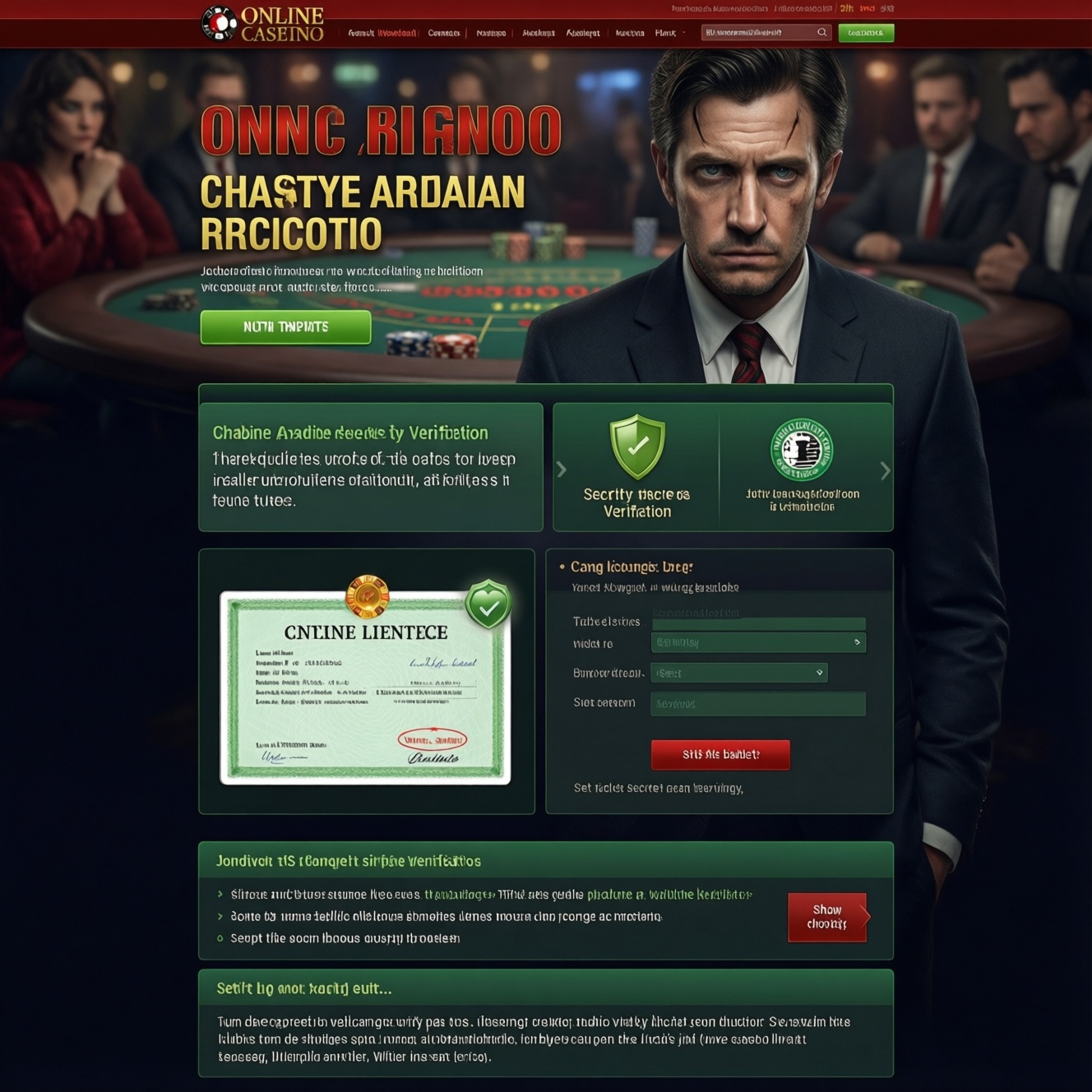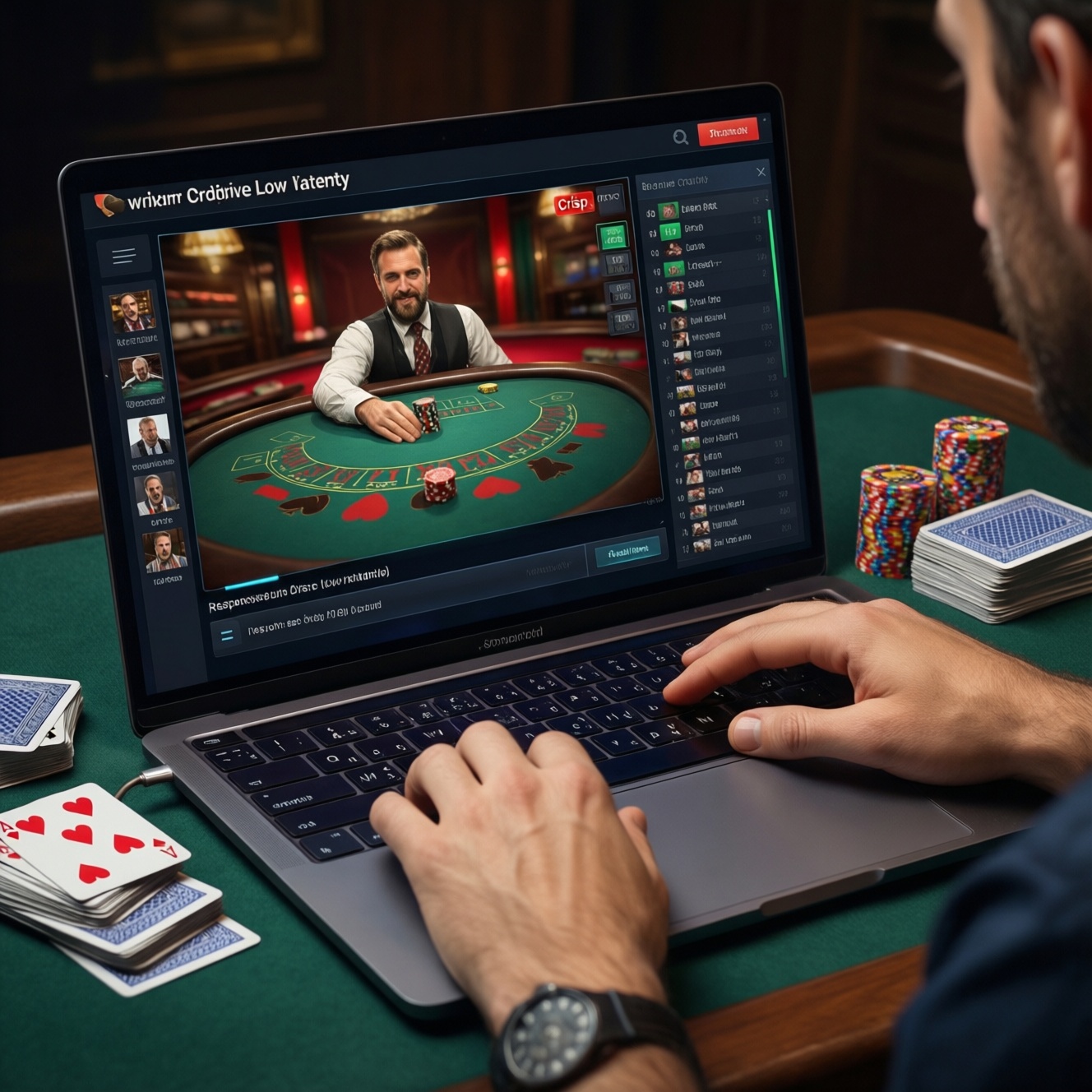

To recognize quality game providers and fair RNG games, verify the studio's licensing chain, independent RNG audit coverage, and operational transparency, then cross-check the provider's portfolio for consistent RTP disclosure, volatility labeling, and stable release practices. This risk-aware process helps you shortlist trusted casino game studios and avoid unverified clones, misleading certificates, and weak compliance signals.
Spotlight Summary: Evaluating Studios and RNG Integrity
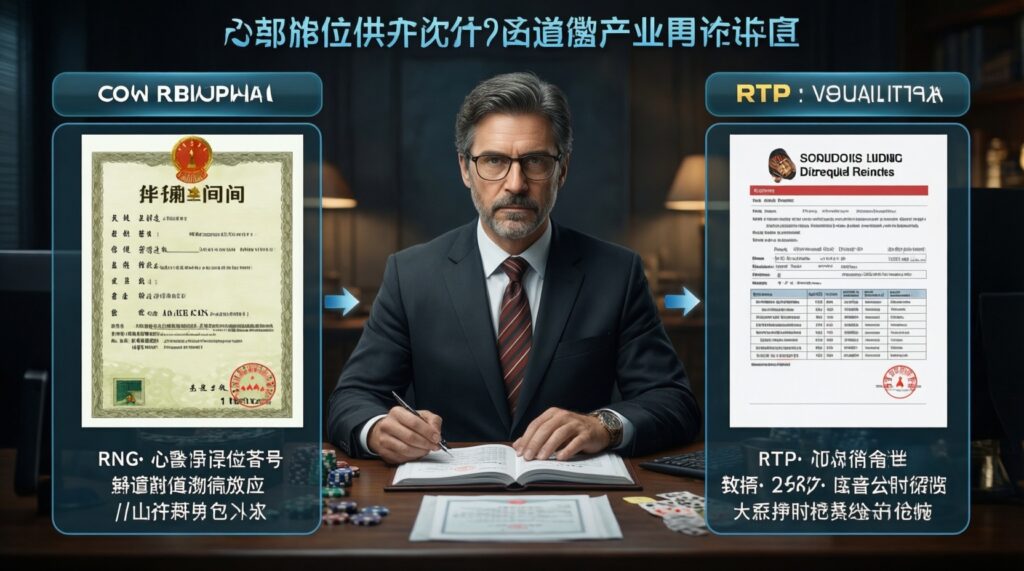
- Start with the provider's identity: corporate entity, game brand, and where the games are legally distributed.
- Prefer verifiable third-party audits tied to specific RNG versions, not generic badges.
- Use portfolio consistency checks (RTP disclosure patterns, volatility labeling, game math transparency).
- Look for operational signals: changelogs, versioning, incident notices, and responsible-game tooling support.
- Reject weak evidence: "certificate" images without a lookup, missing lab names, or unverifiable license claims.
- In Thailand context, prioritize offshore-licensed operators/providers with clear audit documentation you can independently validate.
How Game Providers Differ: Business Models, Scale and Reputation

Providers differ by how they build, certify, and distribute games: some are full-stack studios (math + art + platform), some are aggregators curating third-party titles, and some are "white-label" vendors reskinning existing content. This matters because the party controlling RNG and deployment controls risk.
- Best fit: You're comparing best online casino game providers or top casino software providers and want a repeatable way to validate RNG fairness rather than relying on brand recognition.
- Not worth doing: You cannot access any verifiable audit references, the provider cannot be uniquely identified (multiple names, no legal entity), or the casino blocks game/version details-then you're guessing, not verifying.
Technical Signs of a Trustworthy RNG: Entropy, Seeding and Statistical Behaviour
You typically won't inspect source code, but you can still validate whether RNG claims are technically coherent and independently tested. Prepare to collect evidence and correlate it to specific game builds.
- What you need: access to the game's info panel/help screen, a provider/casino "About/Legal" page, and any certificate/audit references with a lookup ID or linkable report.
- Basic tooling: a note-taking template (provider name, game name, version/build, date checked), and a way to save screenshots/URLs for the evidence trail.
- Understanding checkpoints:
- Entropy source: RNG should be described as using a secure pseudo-random generator seeded from an appropriate entropy source; vague "random algorithm" language is weak.
- Seeding/reseeding: credible systems describe periodic reseeding or controlled initialization; claims of "no patterns ever" without test scope are marketing, not proof.
- Statistical testing: look for language indicating test suites and acceptance criteria in independent lab reports (without expecting the lab to publish proprietary details).
Remember: you're not "proving randomness" yourself; you're confirming that RNG certified online casino games are backed by independently verifiable controls and that the deployment matches the certified versions.
Audits, Licenses and Certifications: Interpreting Third‑Party Reports
Risks and limitations (risk-aware):
- Bad actors can copy "certificate" images; only verifiable lookups or signed reports reduce this risk.
- An audit can cover the RNG library but not the exact game build you are playing; version mismatch is a common gap.
- A valid provider audit does not guarantee the casino is deploying the audited build without modification.
- Some jurisdictions publish limited detail; you may have to rely on lab report identifiers and consistency across multiple sources.
-
Identify the exact provider and role (studio vs aggregator)
Confirm who owns the game content and who supplies the platform wrapper. Aggregators can list reputable studios while still controlling integration layers-important when assessing a fair RNG online casino setup.
- Capture provider name as shown in the game info panel.
- Note whether the casino lists a different "platform provider" in legal pages.
-
Collect license signals you can verify
Look for a regulator/license reference tied to the provider or the distributing operator, not only a logo. If there is no verifiable licensing context at all, treat it as high risk.
- Record license holder name and any registration/reference number if displayed.
- Check for consistency: same legal entity across pages and documents.
-
Validate the audit: lab identity, scope, and lookup method
Prefer audits that state what was tested (RNG, game math, platform) and provide a report ID, digital signature, or official lookup page. "Certified" without scope is not actionable.
- Confirm the lab is named and the certificate/report is traceable beyond a static image.
- Check that the scope includes RNG and/or game mathematics, not only security scanning.
-
Match the audit to the game/build you actually play
Search within the game UI for a version/build number or a release tag. The most practical integrity check is version alignment: audited version ↔ deployed version.
- If no version/build is exposed anywhere, downgrade confidence.
- If the casino uses a "custom skin," confirm it's still the same certified core build.
-
Cross-check consistency across the provider's portfolio
Trusted studios show repeatable compliance behavior: similar disclosure patterns, consistent certificate language, and stable release governance. This is one of the best filters when comparing trusted casino game studios.
-
Document your decision and set a re-check cadence
RNG integrity is not a one-time check. Keep a short record of what you verified and re-check after major UI/game updates or sudden RTP/feature changes.
Portfolio Quality Metrics: RTP, Volatility and Design Consistency
- RTP is disclosed in-game (help/info) and not only in promotional pages.
- RTP disclosure is specific (not "up to") and consistent across markets/skins.
- Volatility/variance is labeled or explained in a way that matches gameplay (hit frequency vs payout distribution).
- Game rules clearly define bonus triggers, feature probabilities where applicable, and payout limits/caps if any.
- Multiple titles from the same studio show consistent math transparency and UI disclosure standards.
- Release cadence looks professional: versioning, patch notes, or at least consistent build identifiers.
- Promotional mechanics are not disguising costs (e.g., unclear "boost" modes, hidden bet multipliers).
- For jackpots, the contribution rules and jackpot type (local vs network) are described without ambiguity.
Operational Transparency: Source Disclosures, Update Logs and Player Data Access
- Trusting a studio badge on the casino site without confirming the game's own provider attribution.
- Assuming "top casino software providers" status equals audited deployment at every casino integration.
- Ignoring version/build information; playing an unversioned game makes audit matching hard.
- Treating "RNG certified" as universal-certification should be scoped (RNG module, game math, platform) and time-bounded.
- Over-relying on influencer lists of best online casino game providers without collecting primary evidence (license + audit + version).
- Missing change signals: sudden changes to RTP display, feature odds language, or paytable structure without any notice.
- Not checking whether the casino provides basic player-facing records (bet history, game session history) needed to resolve disputes.
- Assuming "fair RNG online casino" claims are meaningful without a verifiable lab report or regulator context.
Red Flags: Detecting Manipulation, Non‑compliance and Predatory Mechanics
If you hit red flags, the safest move is to switch approach rather than "testing randomness" yourself.
- Choose providers with verifiable audits and consistent disclosures when you can match game versions to audit references and the studio repeatedly publishes the same compliance signals across titles.
- Prefer simpler, highly standardized RNG products (e.g., classic table-game RNG implementations) when slot-style features are overly complex and disclosures are vague or missing.
- Move to casinos that expose stronger player records when you need bet/session history to audit your own activity and support dispute resolution.
- Avoid the ecosystem entirely for that title when the provider identity is unclear, certificates aren't verifiable, or the game changes behavior without versioned updates.
Practitioner Concerns and Concise Resolutions
How do I confirm a game is from a real studio and not a clone?
Check the provider name inside the game info panel and match it to a consistent legal/company presence. If the only evidence is a casino banner or a logo image, treat it as unverified.
What makes "RNG certified online casino games" meaningful in practice?
Certification is meaningful when you can verify the testing lab identity, scope, and a traceable report/certificate reference. It should also be possible to align the certified version to the deployed game build.
Can I prove a fair RNG online casino by tracking my own results?
No; personal results are too noisy and short-run variance is expected. Use your tracking only to spot operational issues (missing records, inconsistent rules), then rely on audits and version matching for RNG integrity.
Do the best online casino game providers always publish RTP and volatility?
Many reputable studios disclose RTP in-game, and some also label volatility, but practices vary by market and product. Lack of in-game RTP disclosure is a caution sign, especially if marketing claims are aggressive.
How should I compare top casino software providers versus game studios?
Software platforms handle wallets, sessions, and aggregation; studios control game math and features. For fairness, prioritize who controls RNG/game logic and whether that layer is independently audited and verifiably deployed.
What's the fastest way to shortlist trusted casino game studios?
Shortlist studios that repeatedly provide verifiable audit references and consistent in-game disclosures across multiple titles. Remove any studio where certificates cannot be validated or provider identity is inconsistent.