
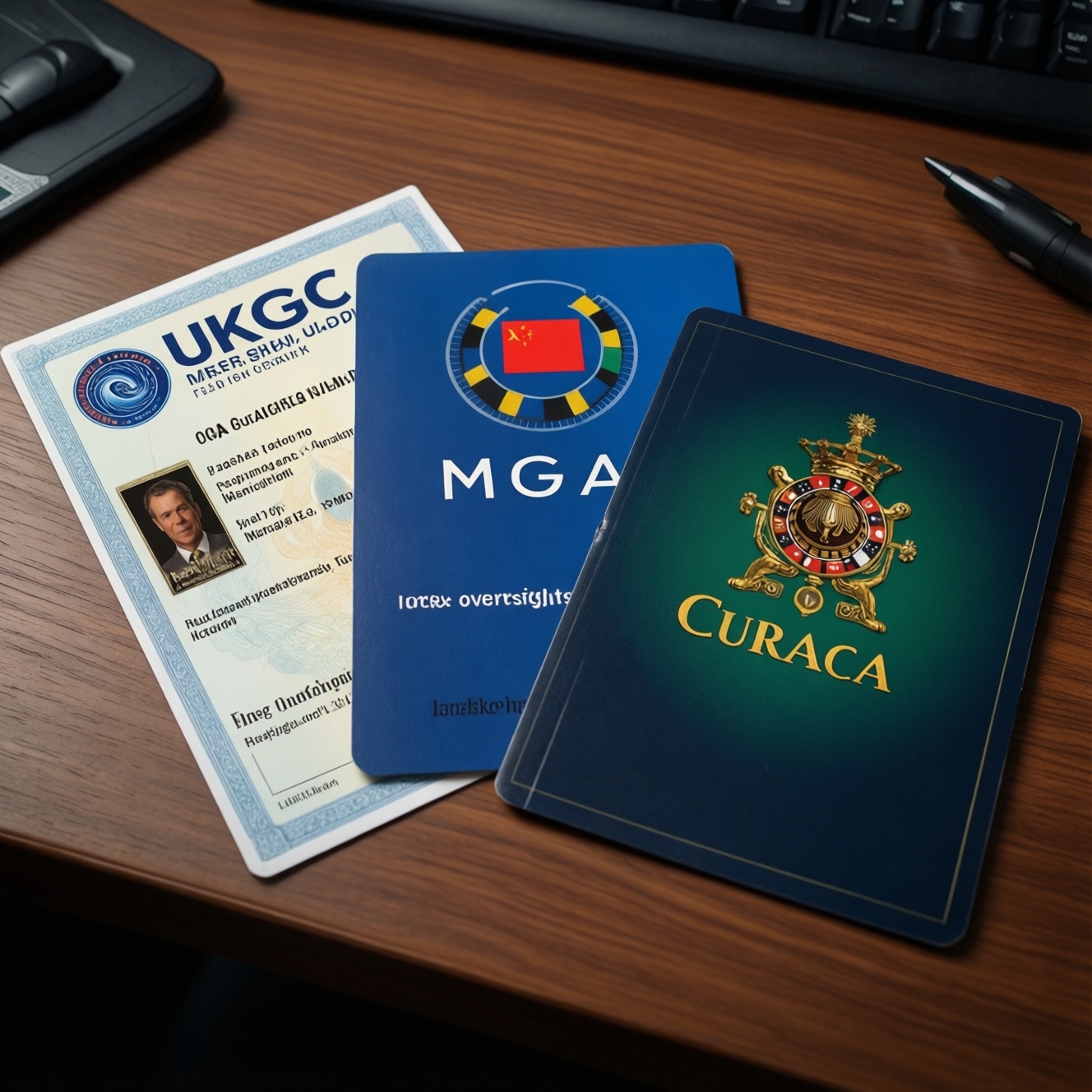
If you're choosing between an MGA casino license, UKGC licensed casinos, and a Curacao casino license, read them as different levels of oversight, player recourse, and enforcement strength. UKGC is typically the strictest for consumer protection, MGA is strong and widely respected, and Curacao varies heavily by operator-so your safety depends more on verification and audits.
How Each Licence Affects Your Safety and Rights
- UKGC: strongest leverage for complaints and rule breaches; clearer expectations on fairness, safer gambling, and handling player funds.
- MGA: strong compliance culture and dispute pathways; good balance of player protection and broad international coverage.
- Curacao: can be fine with the right operator, but protection and enforcement consistency depends on the specific licensee and their controls.
- Practical takeaway: the "best licensed online casinos" for you are the ones whose licence you can verify, whose dispute route is clear, and whose game fairness is independently audited.
- Risk control: when you can't confirm oversight and escalation steps, treat it as higher-risk-even if the site looks reputable.
Regulatory Scope: MGA, UKGC and Curacao Compared

- Regulator clarity: can you identify the exact regulator and licence number from the footer and the regulator's register?
- Jurisdiction fit: does the licence meaningfully cover your situation as a player in Thailand (support language, payment reversals, practical escalation path)?
- AML expectations: how strict are KYC/Source-of-Funds checks and how predictable is the process when you request a withdrawal?
- Game integrity: are RNG and game rules independently tested, and is the testing lab named?
- RTP transparency: do they disclose RTP by game/provider, and can they show evidence of RTP auditing at the platform level?
- Responsible gambling controls: can you set deposit/loss/time limits and self-exclude, and are these tools enforced account-wide?
- Complaints path: is there a documented dispute route beyond support (ADR/ombudsman-type escalation)?
- Enforcement track record: do licence conditions indicate meaningful sanctions for breaches (suspension, revocation, financial penalties)?
| Licence | Scope (what it regulates in practice) | AML/KYC strictness (typical) | Player protections (typical) | Disputes (typical route) | Typical sanctions (conceptually) |
|---|---|---|---|---|---|
| UKGC | High-touch consumer protection and operator conduct oversight | High; checks can be detailed and triggered by withdrawals | Strong safer-gambling tooling, clearer rules on marketing and fairness | Operator process + ADR escalation where applicable | Licence conditions, suspension/revocation, financial penalties |
| MGA | Broad iGaming oversight with established compliance expectations | High to medium-high; usually structured and documented | Strong baseline protections; emphasis on fair gaming and complaints handling | Operator process + defined complaint channels | Corrective measures, suspension/revocation, penalties |
| Curacao | Varies by operator; oversight strength can differ significantly | Medium to variable; can be strict, but not uniformly | Variable; depends on operator policies and third-party audits | Often operator-first; escalation quality varies | Actions depend on the licence holder and oversight model |
Licensing Standards and Compliance Requirements
| Option | Who it suits | Pros | Cons | When to choose |
|---|---|---|---|---|
| UKGC-only operator | Players who prioritise maximum consumer protection and structured complaints | Typically stricter controls on safer gambling, clearer complaint handling, stronger regulator leverage | More KYC friction; faster trigger for enhanced verification during withdrawals | If your top goal is "safe online casinos" with clear enforcement and documented escalation steps |
| MGA-only operator | Players wanting strong oversight with broad international focus | Generally solid compliance expectations; reputable approach to game integrity and player communications | May offer fewer UK-style consumer-facing processes; protections still depend on operator execution | If you want a respected baseline and can verify testing, policies, and dispute route under an MGA casino license |
| Curacao-only operator (unverified beyond the licence claim) | Risk-tolerant players who can self-verify and keep stakes conservative | Often broad game selection and flexible product setups (operator-dependent) | Protection consistency varies; dispute leverage may be weaker if policies are vague | Only if you can confirm the licence on an official register and the site shows credible audits and clear withdrawal rules for a Curacao casino license |
| Dual-licensed operator (e.g., UKGC + MGA) | Players who want layered compliance signals and clearer governance | Two regulatory frameworks can mean tighter internal controls, clearer documentation, and more mature operations | Still must confirm which entity serves you (the licence shown may not be the one governing your account) | If the terms explicitly state which licensed entity you contract with, and the complaint route is unambiguous |
| Curacao licence + strong third-party assurance (audits/ADR-style escalation stated) | Players considering Curacao but seeking extra proof of standards | Better-than-average transparency if the operator publishes testing labs, clear RTP/game rules, and an external dispute path | You're still relying on the operator's chosen assurance mechanisms; quality can differ | If you want Curacao flexibility but won't compromise on independently verifiable fairness and a written escalation route |
Player Protections: Fair Play, RTP and Responsible Gambling
- If you care about provable fairness, then choose a site that names its RNG/testing lab and links to up-to-date certificates; if it's missing, treat the licence as a weak signal.
- If RTP matters to your strategy, then pick operators that disclose RTP by game/provider and explain how RTP is applied (game version, jurisdiction, or channel); if they only say "high RTP" without detail, downgrade trust.
- If you want predictable withdrawals, then prefer operators that document KYC steps, typical verification triggers, and what documents are required; if the policy says they can ask for "any document at any time" without boundaries, expect delays.
- If you need strict self-control tools, then prioritise platforms with enforced deposit/loss/time limits and self-exclusion that blocks marketing; if limits are "manual by support only," expect inconsistent enforcement.
- If you're comparing UKGC licensed casinos to others, then verify that safer-gambling tools are available on your actual account entity-not just advertised on a global footer.
Enforcement, Dispute Resolution and Penalties
- Identify the contracting entity: find the legal entity name in the Terms and match it to the licence holder shown on the site.
- Verify the licence externally: confirm the licence number/status on the regulator's register (don't rely on a logo image).
- Read the disputes clause: confirm a step-by-step complaints process and whether there's escalation beyond support (ADR or equivalent).
- Check enforcement signals: look for clear rules on player funds, bonus terms, and account closures; vague "sole discretion" clauses increase risk.
- Test support before depositing: ask one precise question about withdrawals/KYC and one about a game rule; measure clarity and consistency in replies.
- Decide your exposure: if enforcement and escalation are unclear, lower deposit size, avoid large rollover commitments, or choose a different licence category.
Practical Pre-Play Checklist: Verifying a Site's Licence
- Assuming a footer badge equals a valid licence, without checking the regulator register.
- Not confirming which licensed entity you are contracting with (group brands may show multiple licences).
- Missing mismatches between the site's company name/address and the licence holder's official details.
- Ignoring vague withdrawal language (e.g., unlimited document requests, open-ended timelines, undefined "security checks").
- Confusing game provider reputation with operator compliance (a strong provider does not guarantee fair account handling).
- Not checking whether responsible gambling tools are self-serve, immediate, and enforced across devices.
- Overvaluing "instant payouts" claims without reading KYC triggers and verification steps.
- Skipping a quick search of the operator's dispute process and whether they clearly accept escalation.
- Choosing based on "best licensed online casinos" lists alone without verifying licence status and complaint route yourself.
Choosing by Risk Profile: A Decision Tree for Players
- Do you require the strongest external complaint leverage?
- Yes: start with UKGC licensed casinos; then verify your account is under the UKGC entity and an ADR route exists.
- No: go to the next step.
- Is predictable compliance (KYC, withdrawals, rules) more important than maximum flexibility?
- Yes: prioritise an MGA casino license operator (or dual-licensed) with clear terms and independent testing disclosures.
- No: go to the next step.
- Can you personally verify audits, licence status, and a written escalation path?
- Yes: a Curacao casino license operator can be acceptable only if you can validate register details, testing, and withdrawal/KYC rules before depositing.
- No: avoid Curacao-first choices; select UKGC or MGA where the oversight and dispute path are easier to confirm.
For most intermediate players in Thailand aiming for safer day-to-day play, UKGC is usually the best fit when you want maximum consumer recourse; MGA is often the best fit when you want strong oversight with broad international orientation; Curacao can fit players who verify aggressively and keep risk controlled, rather than relying on the licence name alone.
Player Questions Clarified
Is an MGA casino license considered reliable for player safety?
It's generally viewed as a strong regulatory signal, but your real safety comes from verifiable licence status, clear terms, audited games, and a usable complaint route.
Are UKGC licensed casinos always the safest choice?
They often offer the strongest consumer-protection framework, but you still need to confirm your account is under the UKGC-licensed entity and that policies are clearly written.
Does a Curacao casino license automatically mean high risk?
No, but protection and enforcement can be less consistent across operators. Treat it as "verify more, deposit less" unless audits and dispute steps are clearly documented.
What's the fastest way to spot a fake or irrelevant licence claim?
Match the licence number and legal entity name to the regulator's register. If the register doesn't confirm the same company, assume the claim is not usable.
Do licences guarantee that RTP is fair?
No licence guarantees your specific games are correctly configured. Look for independent testing references and transparent RTP information by game/provider.
Can a dual-licensed operator be better than a single-licensed one?
It can be, if your account is clearly tied to the stricter entity and the complaint path is explicit. Dual logos without clear contracting details shouldn't change your decision.