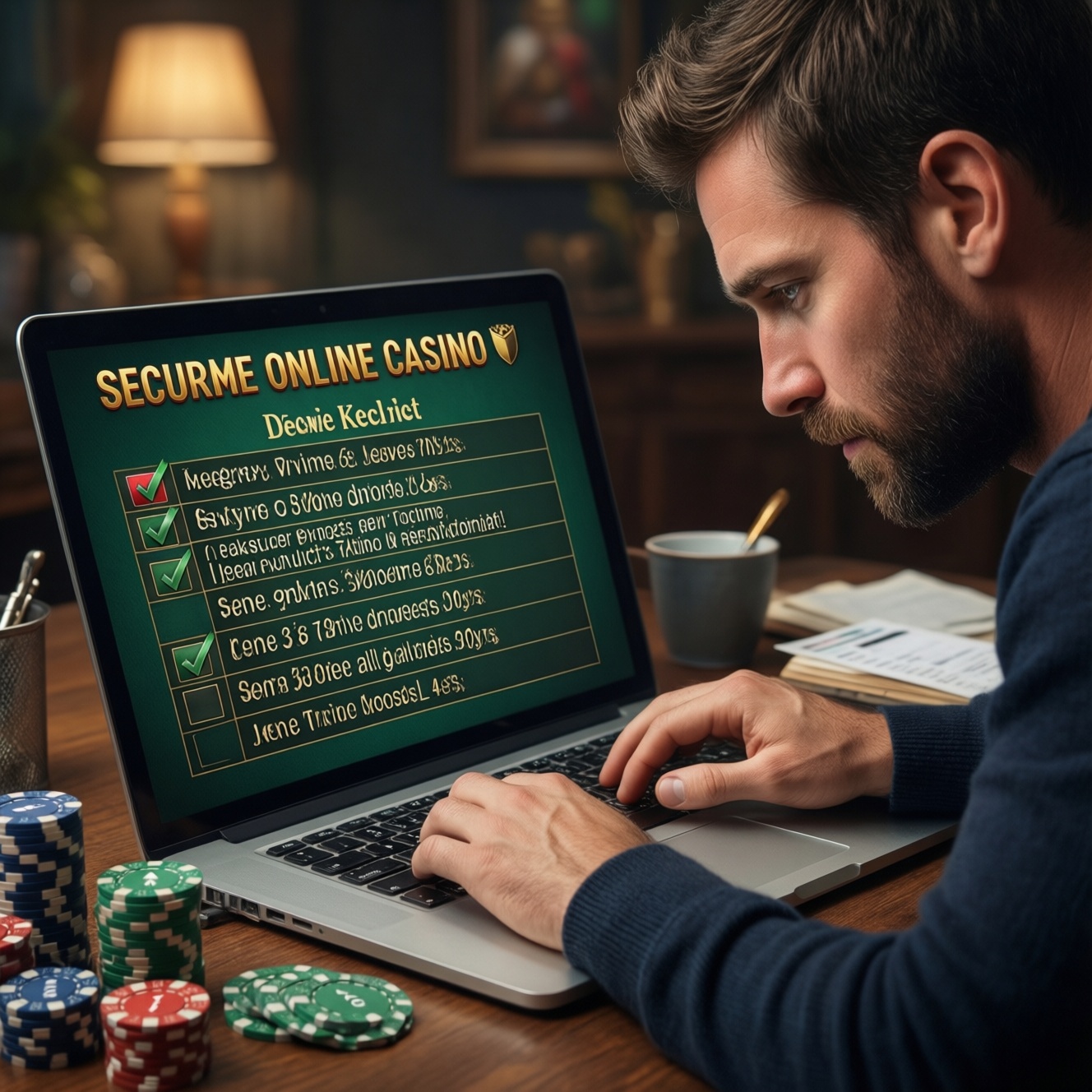

Fair play in a live dealer casino depends on what you can reliably see and verify: stable streaming quality (resolution, frame rate, latency), transparent studio controls (multi‑camera coverage, logged procedures), and credible licensing/audit trails. If the stream stutters or the studio is opaque, you lose evidentiary clarity for disputes in live casino online sessions.
Executive Summary of Impact Factors
- Prioritize studios that publish licensing details and dispute processes; streaming quality alone is not proof of fairness.
- Low latency and consistent frame rate matter most for timing-sensitive actions in live dealer blackjack.
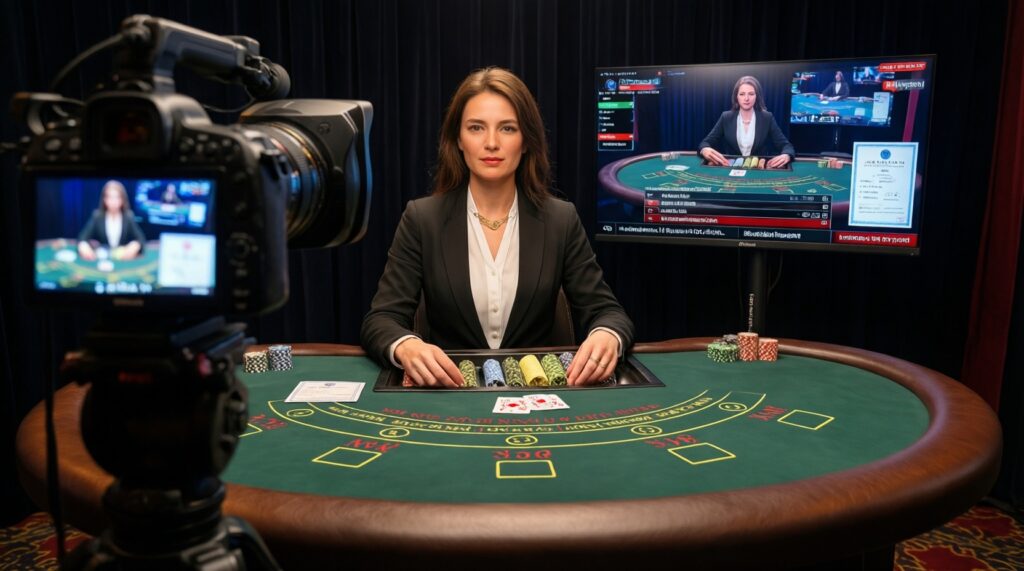
- Multi‑camera coverage reduces manipulation risk by making critical moments verifiable.
- Operator tooling (session history, downloadable statements, support escalation) determines whether disputes are resolvable.
- Dealer training and shift controls reduce human-error incidents that look like unfair play.
- Test on your Thailand network conditions (Wi‑Fi/4G/5G) before higher-stakes play.
How Streaming Resolution Impacts Game Integrity
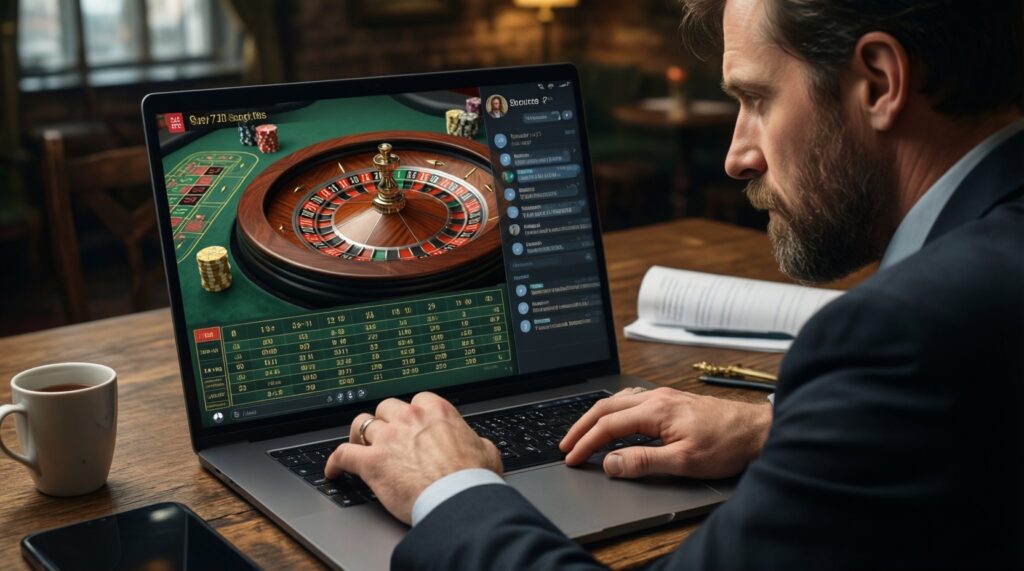
Who this approach fits: players who want practical, user-level checks to choose a studio/provider for live dealer roulette or card games, and who are willing to run short test sessions before committing funds.
When it's not worth doing: if you cannot access game history/support in your jurisdiction, if your connection is consistently unstable, or if you expect streaming quality to "prove" fairness by itself (it can only improve verifiability, not guarantee outcomes).
- Mitigation first: choose streams where card faces, shoe handling, and roulette wheel/ball landing are clearly readable.
- Residual risk: even crisp video can miss off-camera handling if camera coverage and procedures are weak.
Latency, Frame Rate and Real-Time Decision Validity
What you'll need (no special access required):
- A stable connection (test both Wi‑Fi and mobile data in Thailand if you switch between them).
- Device controls to change stream quality (auto vs fixed quality) and the ability to view the stream stats if the platform exposes them.
- A simple way to measure timing: your phone stopwatch is enough; a screen-recording feature helps for later review.
- Access to game rules and support/dispute pages inside the live casino online lobby.
| Attribute to compare | What "good" looks like (player-visible) | What to ask/verify | Why it matters for fair play |
|---|---|---|---|
| Resolution options | Multiple tiers; readable cards/ball landing without blur | Does the studio disclose stream tiers and bitrate targets? | Higher clarity improves evidence quality in disputes |
| Frame stability | Smooth dealing/spin motion without frame drops | Is there a published FPS target or stream diagnostics? | Frame drops can hide critical micro-actions |
| End-to-end latency | Betting windows feel consistent; no "late bet" surprises | Is typical latency disclosed? Are bet cutoffs clearly shown on-screen? | Timing validity in live dealer blackjack decisions and roulette bets |
| Camera coverage | Wheel + dealer hands + table surface visible; easy camera switch | How many cameras? Is there continuous coverage during key actions? | Reduces off-camera handling risk |
| Licensing transparency | License info visible in lobby/help pages | Which regulator? Does the operator match the license holder name? | Accountability and complaint pathways |
| Audit trail & session history | Round ID, timestamps, outcomes, downloadable statements | How long is history retained? Is video review available for disputes? | Enables evidence-backed dispute handling |
Studio Certification, Licensing and Audit Trails
- Key limitation: as a player, you can only verify what the operator/studio publishes and what is visible in-session.
- Network risk: Thailand ISP routing and peak-hour congestion can add delay; test at the times you actually play.
- Dispute risk: if session history is minimal or support is slow, even obvious issues may be hard to resolve.
- Behavioral risk: tilt and rushed betting increase perceived "unfairness" during normal variance; keep stakes proportional to your tested conditions.
-
Identify the studio behind the table
In the lobby, locate the provider/studio name for each table and note it before you play. The "best live dealer casino" experience is often driven by the studio's operational standards, not just the brand.
- Record the table name and game type (e.g., live dealer roulette, blackjack).
- Confirm whether tables are native studio tables or white-labeled feeds.
-
Verify licensing details at the operator level
Find the operator's licensing statement and check that the licensed entity name matches the site/app you are using. If the platform hides licensing info, treat it as a transparency red flag.
- Look for a license number/authority reference and a legal entity name.
- Save a screenshot of the licensing page for your records.
-
Check for independent testing and audit references
Look for references to third-party testing/audits and whether the operator explains what is audited (procedures, game logs, randomization where relevant). Don't assume "certified" means "dispute-proof"; you still need traceable round data.
- Prefer platforms that show round IDs and clearly documented rules for bet settlement.
- Note whether the operator mentions video review in dispute handling.
-
Run a controlled stream-quality and timing test
Before real stakes, watch multiple rounds and evaluate clarity and timing under your typical connection. If you see stutter, pixelation at key moments, or inconsistent bet cutoffs, switch tables or providers.
- Test at least one busy period (evening) and one quieter period.
- Try fixed quality (not auto) if auto-switching causes blur during action.
-
Confirm auditability: round history, statements, and dispute path
Open the game history and account statement screens and confirm that you can retrieve round outcomes with timestamps. A reputable live dealer casino should make it easy to provide evidence if something goes wrong.
- Check whether each round has a unique ID you can quote to support.
- Find the support channel escalation steps and expected response workflow.
-
Document a baseline and stick to it
Once you find a stable table/studio combination, keep notes on normal latency/visual quality for your setup. When conditions deviate, reduce stakes or stop-this is the simplest way to prevent avoidable disputes.
- Keep screenshots of: table info, rules, and a sample of round history.
- If the platform changes studios/streams, re-test.
Camera Angles, Multi‑cam Setups and Manipulation Risks
- Wheel and ball are continuously visible during spins, including the landing and result confirmation.
- Dealer hands remain in frame during shuffles, dealing, and payout handling.
- Camera switching is available (or the primary angle already covers all critical actions).
- There are no frequent cuts away during sensitive moments (shoe handling, spin start, result callout).
- On-screen overlays (betting timer, result) do not obscure the physical outcome.
- The game clearly shows bet acceptance and cutoff states to prevent "I clicked in time" disputes.
- Audio/video are synchronized enough that announcements align with visible actions.
- Round identifiers are shown or easily accessible right after the outcome.
Dealer Training, Scheduling and Human‑Error Mitigation
- Assuming every odd-looking action is cheating when it may be procedural (misdeal handling, no-bet calls) and is often documented in rules.
- Playing time-critical rounds on a congested connection, then blaming the dealer for late bets.
- Ignoring table limits and side-bet rules, then disputing outcomes that follow posted terms.
- Not recording round IDs, making support tickets impossible to investigate precisely.
- Table-hopping mid-session without re-checking rules and payout displays for that specific table variant.
- Continuing after repeated miscommunications (language/audio issues) instead of switching to a clearer table.
- Escalating emotionally to support without a concise evidence pack (timestamps, round IDs, screenshots).
- Confusing live dealer blackjack procedures (burn cards, cut card, shuffle points) with irregularity.
Verification Tools: RNG, Video Forensics and Player Controls
- Operator session tools (history, statements, downloadable logs): use when you need to validate settlement and create a clean dispute record with round IDs and timestamps.
- Screen recording (local, device-level): use when the platform does not offer video review; capture the betting timer, your actions, and the outcome in one clip.
- Rules comparison across tables: use when moving between studios/providers; confirm blackjack rules (e.g., hit/stand options, payout displays) and roulette settlement wording before betting.
- Switching to digital RNG table games: use when your connection cannot maintain stable video; RNG games reduce streaming-based ambiguity, even though they rely on different fairness assurances.
About the author: เอกชัย อรุณศรี
Player Concerns on Transparency and Disputes
Does higher resolution mean a live dealer casino is fair?
No. Higher resolution mainly improves visibility and evidence quality; fairness depends on studio procedures, licensing, and whether outcomes are auditable via round IDs and logs.
What's the minimum I should verify before playing live dealer roulette?
Confirm continuous wheel/ball visibility, clear bet cutoff timing, and access to round history with unique IDs. If any of those are missing, choose another table or provider.
Why do my bets feel "late" in live casino online games?
It's usually latency plus a strict cutoff timer. If your stream lags, your click can arrive after cutoff even if it looked in-time locally; test timing and reduce stakes when conditions worsen.
How can I handle a dispute in live dealer blackjack effectively?
Collect the round ID, timestamp, screenshots of the result, and (if possible) a short screen recording showing the betting timer and outcome. Submit a concise ticket referencing the specific round rather than a general complaint.
What should I look for when choosing the best live dealer casino for my connection in Thailand?
Pick operators with stable streams during your peak hours, clear rules and bet cutoffs, and strong session history tools. If the platform hides licensing or lacks round IDs, treat it as higher risk.
Are multi‑camera tables always safer?
They reduce blind spots, but only if cameras cover critical actions continuously and the operator provides auditable logs. Multiple angles without round history and a dispute process still leaves you exposed.