
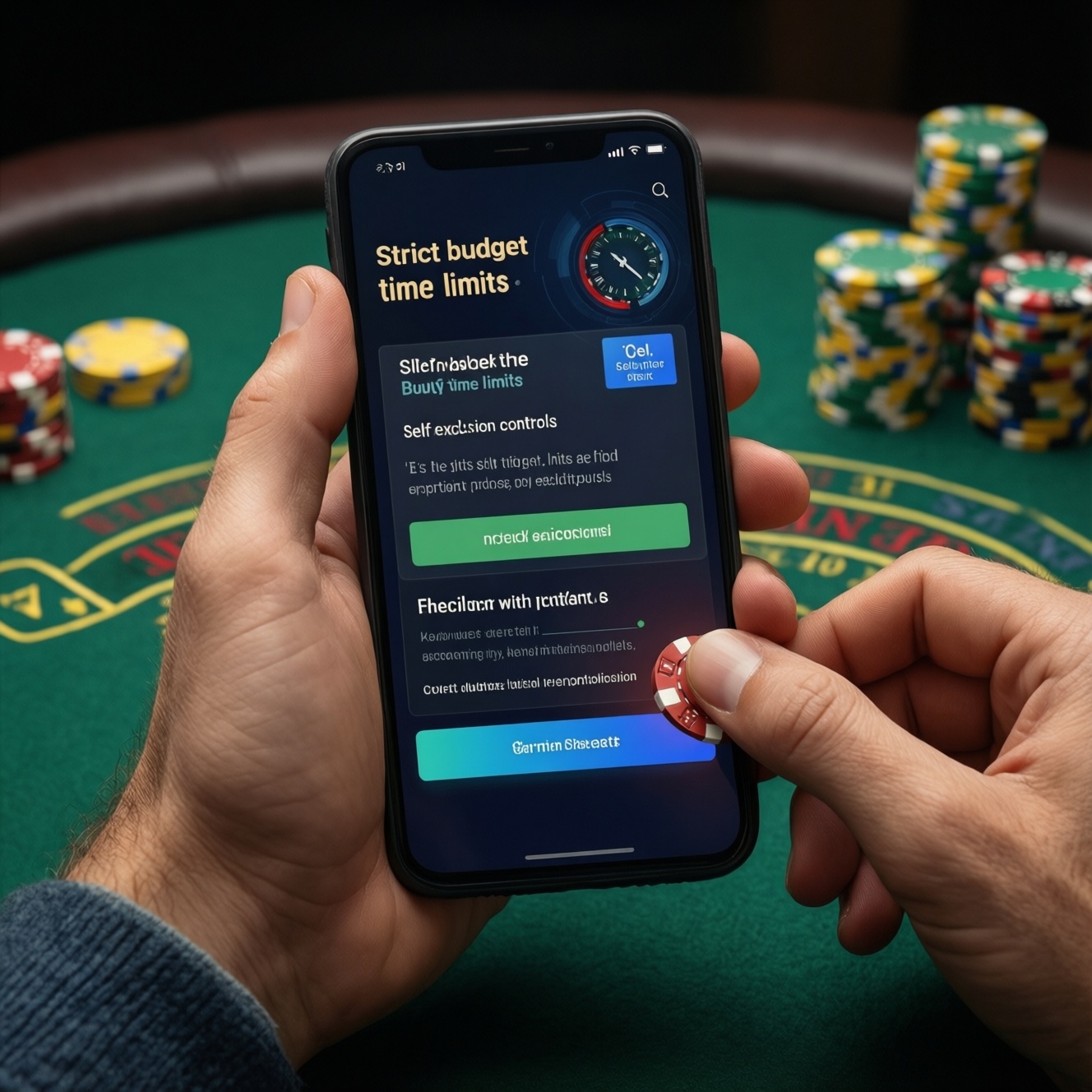
Responsible gambling means pre-committing to money and time limits, then using built-in platform controls (caps, timeouts, self-exclusion) and external blockers so your decisions are protected when emotions rise. Before your next session, set a budget, define a maximum session length, enable limits in your account, and confirm they actually block further play.
Essential Boundaries to Set Before You Play
- Fix a session budget you can lose without borrowing, selling assets, or touching essential bills.
- Set a hard stop: maximum loss per day/week and a separate cap for deposits (if you play online).
- Limit time: a start time, an end time, and at least one planned break.
- Decide in advance what you will not do (chasing losses, increasing stakes to recover, re-depositing after a stop).
- Enable platform controls first, then add device/app blocking for a second layer of protection.
How to Calculate Safer Monetary Limits and Stick to Them
Who this fits: people who treat gambling as paid entertainment and can consistently keep gambling money separate from living costs.
When not to rely on limits alone: if you are already using credit/loans, hiding play, repeatedly breaking limits, or gambling to escape stress. In those cases, jump to stronger controls like gambling self exclusion online and ask for support.
- Create a gambling-only budget line: choose an amount from discretionary money only (after essentials and savings). Keep it in a separate e-wallet/account so it cannot quietly expand.
- Split it into time-based caps: divide into weekly and per-session amounts so a bad day cannot consume the whole month. If you play both online and land-based, set separate envelopes for each.
- Define your stop rules in writing: write one sentence you will follow (example: "When I hit my session loss limit, I log out and leave, no exceptions"). Put it in a phone note that you read before opening any gambling app/site.
- Make limits friction-based: remove saved cards, disable one-click deposits, and keep only the budgeted method available. Friction is a feature, not a bug.
Designing Session Durations and Break Strategies
Prepare these tools before you start:
- A timer on your phone/watch (or a built-in reality-check timer if your platform offers it).
- A written session plan: start time, end time, and a break point.
- A low-effort break activity (walk, water, snack, short message to a friend).
- Access to your account settings (password, 2FA) so you can set controls without delay.
- If playing land-based: cash-only envelope and a plan for how you will leave (ride, route, companion).
Practical default: treat a session like a movie-finite start/end-then stop even if you are up. Breaks should happen on the clock, not "after the next round."
Immediate Tools: Deposit, Loss and Wager Caps Explained
Risk-aware limits and constraints:
- Limits reduce harm; they do not guarantee control if you open new accounts or switch platforms.
- Some changes apply instantly, others only after a delay; assume tightening is easier than loosening.
- Bonuses can push higher wagering; set caps first, accept promotions second.
- Do not set limits while activated or chasing-set them when calm, ideally outside a session.
-
Pick the right cap types for your play
Use at least two: online casino deposit limits (how much can enter your account) and a loss cap (how much you can lose). Add a wager/stake cap if you tend to increase bet size.
- Deposit limit = funding control (prevents topping up)
- Loss limit = downside control (stops after losses)
- Wager/stake cap = intensity control (limits bet sizing)
-
Set conservative numbers based on your budget line
Start lower than you think you need; you can always review later. Make sure the deposit limit is not higher than your maximum acceptable loss for the same period.
-
Apply limits at the shortest useful period first
If the site allows daily/weekly/monthly, begin with daily or per-session-style controls (daily is usually closest). This prevents a single binge from using a whole week's budget.
-
Enable the limits inside account settings
To set gambling limits online, go to your profile or "Responsible Gambling" section and set deposit, loss, and wager caps. Save screenshots of confirmation pages so you can verify later.
-
Test the restriction immediately
After saving, try a tiny action that would exceed one cap (for example, attempt a small additional deposit once you reach the deposit threshold). You are confirming the tool works, not trying to bypass it.
-
Remove workarounds you control
Delete saved payment methods, disable instant top-ups in banking apps if possible, and log out after each session. This reduces impulsive "just one more deposit" behavior.
Automated Restrictions: Self-Exclusion, Cooling-Off and Account Locks
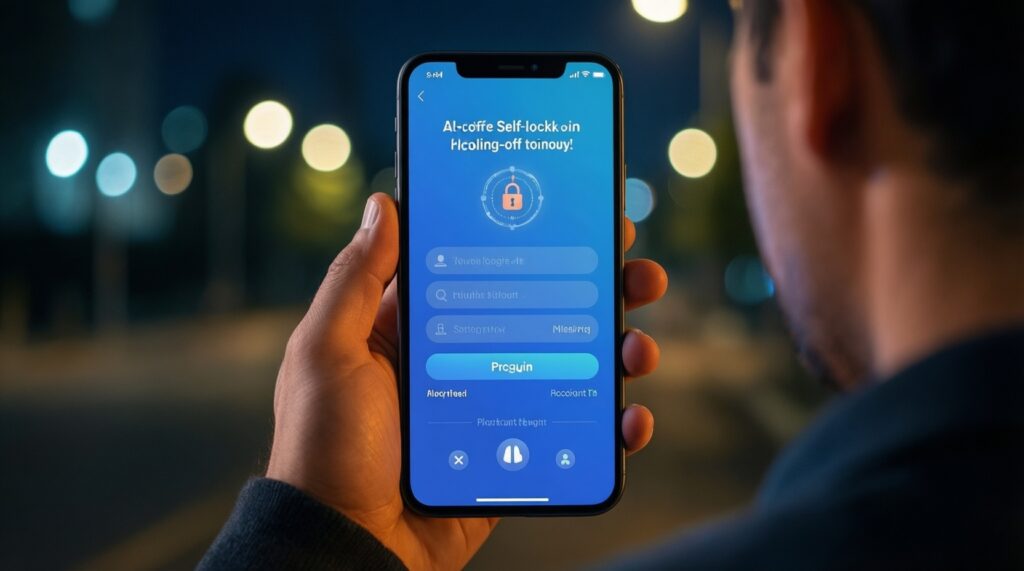
- I can find and enable a cooling-off period (timeout) without contacting support.
- I understand the duration options and chose one that covers my highest-risk times (weekends, payday, late nights).
- I enabled account lock/self-lock where available (login blocked, not just deposits blocked).
- If available, I activated gambling self exclusion online for a longer duration when I know I break limits.
- I confirmed whether self-exclusion blocks marketing emails/push notifications and opted out where possible.
- I removed the app shortcut/bookmark from my home screen during cooling-off/self-exclusion.
- I know the exact steps to reinstate access (if allowed) and any waiting period required.
- I set the same controls on every gambling account I use (sportsbook, casino, poker), not only one.
Using Tracking, Reality Checks and Budgeting Apps Effectively
- Relying on memory instead of a written log of deposits, losses, and time.
- Turning off reality-check popups because they feel "annoying," then losing track of session length.
- Tracking wins but not net results (wins minus losses), which distorts risk perception.
- Using limits but keeping multiple accounts open "just in case," which weakens the barrier.
- Setting only deposit limits and forgetting loss or wager caps, allowing high-intensity play.
- Using general screen-time tools but leaving browser access open (web play becomes the bypass).
- Choosing the best gambling apps to block betting for your device but not protecting settings with a passcode a trusted person controls.
- Not syncing your budget with payday cycles, leading to "extra" gambling money that is actually needed later.
Implementation tip: combine (1) platform reality checks, (2) a simple spending note updated after each session, and (3) a blocker for your highest-risk channel (app or browser). That is a realistic set of responsible gambling tools most people can maintain.
When to Escalate: Recognizing Risk Signals and Seeking Support
Escalate when limits repeatedly fail, gambling becomes secretive, or you feel unable to stop once you start. Practical alternatives that match different situations:
- Full self-exclusion plus blocking: use self-exclusion on every platform you can access, then add device-level blocking to reduce re-entry points.
- Financial separation: ask your bank for spending controls where available, remove credit access from gambling channels, and keep discretionary cash in a separate account with delayed transfers.
- Accountability support: tell one trusted person your rules and ask them to check in after sessions; share screenshots of limits if that helps you follow through.
- Professional help: if gambling is tied to anxiety, depression, or compulsive patterns, seek counseling/support services; combine therapy with strong access restrictions for best practicality.
Practical Concerns and Short Solutions
Should I use deposit limits or loss limits first?
Use both if possible. If you must choose one today, start with a deposit limit to stop top-ups, then add a loss cap to force a hard stop after losses.
What if the site lets me raise limits instantly?
Set limits when calm, then add a second layer (device/app blocking and removing payment methods). If instant increases are easy, prefer platforms with cooling-off for limit increases.
How do I set gambling limits online if I have multiple accounts?
Apply the same caps on every account the same day. Your controls are only as strong as your weakest account, so standardize one set of numbers across platforms.
Are online casino deposit limits enough to prevent chasing?
Not by themselves. Chasing often shows up as increasing stake size or time, so add wager caps and time-based breaks.
When should I use gambling self exclusion online instead of a timeout?

Use self-exclusion when you repeatedly break timeouts/limits or reopen play immediately after a cool-off ends. A longer block reduces decision fatigue and relapse loops.
What are the best gambling apps to block betting on my phone?
Choose one that blocks both apps and gambling websites in browsers, and that allows a locked setting (PIN/admin). The "best" option is the one you cannot easily disable during a craving.
How do I know my responsible gambling tools are actually working?
Test them: attempt a small action that should be blocked (extra deposit, extended session, login during timeout). Keep a screenshot of the restriction confirmation and re-check after updates or reinstallations.