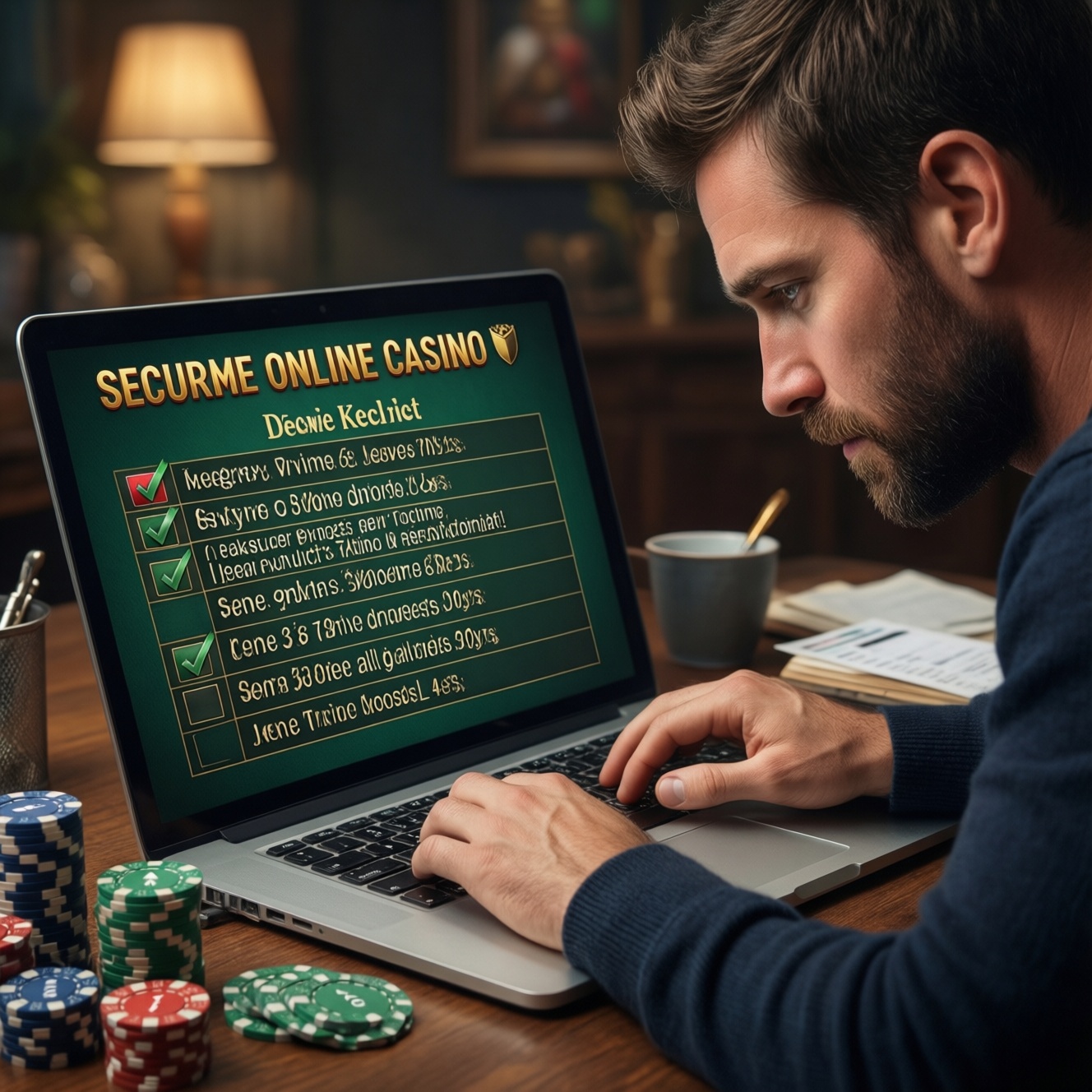
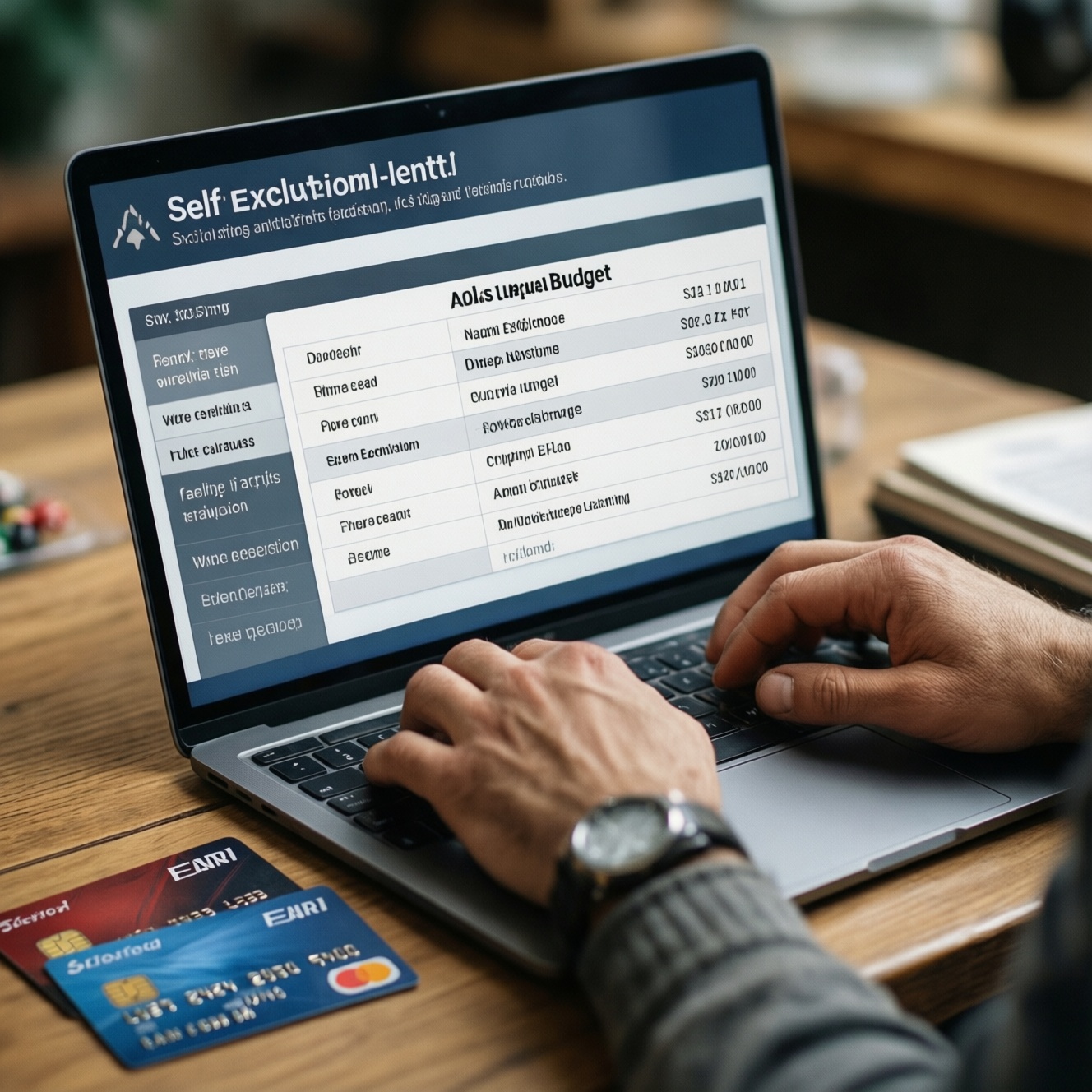
To stay in control, treat gambling like a planned expense and use layered safeguards: pre-set money and time limits, strict session rules, and platform-level controls (such as deposit limits online casino settings and gambling self exclusion). Combine these responsible gambling tools with banking separation and clear stop-triggers so you can set gambling limits before emotions take over.
Essential Tools for Setting Gambling Limits
- Hard money caps: deposit, loss, and wager limits set before you play.
- Time controls: session timers, mandatory breaks, and a fixed end time.
- Session rules: no chasing, no borrowing, no switching to higher stakes after losses.
- Access controls: app/site blockers plus account pauses or gambling self exclusion.
- Budget separation: dedicated card/account and spending categories, not your daily funds.
- Escalation plan: predefined steps to get problem gambling help when warnings appear.
Understanding Behavioral Triggers and Risk Factors
This approach fits you if you can follow simple rules, have predictable income, and mainly need guardrails for entertainment play. Do not rely on self-set limits alone if you regularly gamble while distressed, conceal spending, borrow to play, or feel unable to stop once you start-move straight to stronger controls and problem gambling help.
- Common triggers: boredom, stress after work, alcohol, "near-miss" frustration, and chasing losses.
- Higher-risk patterns: late-night sessions, switching games after losses, increasing stakes, using credit.
- Quick self-check: if you can't comfortably tell a partner/friend your spend, your limits are too loose.
Practical Limit-Setting Methods: Time, Money, Session Rules
Before you set gambling limits, gather what you need so the rules are easy to enforce:
- Access: logins for each gambling account and your email/phone for verification.
- Banking controls: your banking app, card controls (if available), and transaction alerts.
- A simple budget number: a fixed "entertainment" amount you can afford to lose.
- A timer: phone timer or focus app; optional calendar block.
- Session rules (write them): one page in Notes/Google Keep is enough.
- Money limits to set: deposit limit, loss limit, and a maximum stake per bet/spin.
- Time limits to set: start time, end time, and a mandatory break rule.
- Session rules to lock in: no re-deposits, no switching to higher risk games, stop after a preset loss.
Using Technology: Apps, Self‑Exclusion and Betting Blocks
-
Set platform limits first (hard stops). In each app/site, activate deposit, loss, and time limits; treat them as non-negotiable. If available, choose the strictest setting that cannot be instantly changed.
- Prioritize deposit limits online casino tools, then add loss and session-time limits.
- Set limits across every account you use, not only your "main" one.
- Turn on friction: cool-offs, reality checks, and login reminders. Enable pop-up reality checks and mandatory breaks so you are repeatedly pulled out of autopilot. Add a short message like "Stop at end time-no exceptions."
-
Block access on your devices. Use an app/site blocker to restrict gambling domains and apps during vulnerable hours (for many people: late night, weekends, payday).
- Block both websites and app installs where possible.
- Set an uninstall passcode held by someone you trust if you need stronger enforcement.
-
Escalate to gambling self exclusion when rules keep breaking. If you repeatedly override limits, self-exclude for a fixed period so access is removed at the account level. This is a control tool, not a punishment.
- Self-exclude from every operator you use (and any linked brands where offered).
- Pair it with device blocking so you don't simply switch platforms.
- Create alerts and an accountability check. Set bank/app notifications for gambling transactions and choose one person to send a weekly "spent vs limit" message to. The goal is early correction, not shame.
Fast-track mode: 10 minutes to safer play
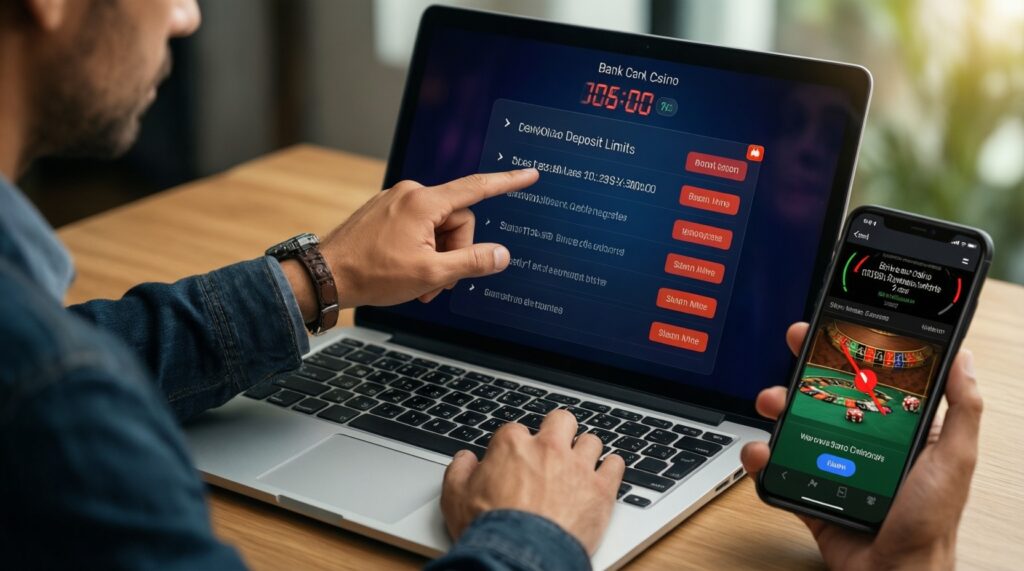
- Set a deposit limit online casino settings page for every account you use.
- Set a phone timer for a fixed end time and one mandatory break.
- Move gambling spend to a separate card/account and enable transaction alerts.
- Install a blocker and restrict gambling access during your highest-risk hours.
- If you break rules twice in a month, activate gambling self exclusion and seek problem gambling help.
Banking and Budgeting Strategies for Safer Play
- I only gamble with a dedicated amount that does not affect bills, debt payments, or essentials.
- I use a separate card/account (or separate wallet) for gambling spend.
- I have bank/app alerts turned on for gambling-related transactions.
- I never use credit, loans, overdrafts, or "buy now pay later" to gamble.
- I don't keep saved cards in gambling accounts if that makes deposits too easy.
- I have a fixed weekly/monthly entertainment cap that includes gambling.
- I can stop after a win without increasing stakes "because it's house money."
- I can stop after a loss without chasing to "get back to even."
Recognizing Warning Signs and When to Escalate Support
- Setting limits but repeatedly increasing them "just this once."
- Chasing losses by raising stakes, extending time, or opening new accounts.
- Hiding gambling activity, minimizing spend, or deleting transaction messages.
- Using alcohol/other substances while playing, then regretting decisions.
- Gambling to escape stress, anxiety, loneliness, or anger rather than for planned entertainment.
- Borrowing money, selling items, or delaying bills to fund play.
- Feeling irritable or restless when trying to stop, then returning to "calm down."
- Switching to faster games or higher volatility when you feel out of control.
- Repeatedly searching for new responsible gambling tools but not keeping any for more than a week.
Creating a Personalized Responsible Gambling Plan
Use one of these alternatives depending on how stable your control feels right now:
- Low-friction guardrails (best for stable entertainment play): deposit/time limits + separate budget + transaction alerts.
- Stronger enforcement (best when urges are frequent): add blockers, uninstall protection, and an accountability check-in.
- Access removal (best when rules keep failing): gambling self exclusion for a set period, paired with device blocking.
- Support-first approach (best when harm is already happening): pause gambling completely and get problem gambling help; rebuild limits only after support is in place.
Quick Practical Answers to Common Concerns
What are the most effective responsible gambling tools for beginners?
Start with deposit and time limits on every platform, then add bank alerts and a device blocker. These create "hard stops" plus visibility.
How do I set gambling limits that I will actually follow?
Make limits external: platform limits, banking separation, and timers. If you rely on willpower alone, you'll renegotiate in the moment.
Are deposit limits online casino settings enough by themselves?

They help, but they don't prevent time escalation, account hopping, or chasing. Pair them with session rules and access blockers.
When should I use gambling self exclusion?
Use it when you repeatedly break limits, feel unable to stop, or gambling is harming finances or relationships. It removes access while you stabilize.
What if I just switch to another site after blocking one?
That's a sign to widen controls: block categories/domains broadly and self-exclude from every operator you use. Add accountability so switching is visible.
How do I know it's time to seek problem gambling help?
Seek help if you hide play, borrow money, can't stop once started, or gambling affects work, sleep, or bills. Escalate early-support works best before a crisis.