
Casino account security is a stack of controls: identity checks (online casino KYC verification), transaction monitoring (casino AML checks), login protection (online casino 2FA security), and payment/custody rules that reduce fraud and payout disputes. If you evaluate each layer separately and act on clear "if..., then..." signals, you can choose best safe online casinos and protect your funds.
Security Snapshot: What Actually Protects Your Casino Account
- If the casino is licensed and publishes clear KYC/AML and payout rules, then disputes are easier to resolve and account actions are more predictable.
- If KYC is required before withdrawals, then plan to verify early to avoid payout delays and repeated document requests.
- If the site supports app-based 2FA, then enable it; SMS-only 2FA is better than nothing but weaker against SIM-swap.
- If payments use reputable rails (bank transfer, cards, major e-wallets), then you get better chargeback, receipt, and reconciliation trails than with opaque processors.
- If you see risk controls (device checks, withdrawal whitelists, time locks), then account takeover damage is usually limited.
- If the operator explains incident handling (locks, investigations, re-verification triggers), then you can predict what happens when something looks suspicious.
Myths and Misconceptions About Casino Security - Debunked First
- Myth: "KYC is optional if I'm a small player." Reality: if withdrawals or risk triggers occur, then KYC can be required at any stake size.
- Myth: "2FA guarantees no hacks." Reality: if malware steals your session or your email is compromised, then 2FA alone may not stop fraud.
- Myth: "Crypto automatically means safer payments." Reality: if there's no strong account control and audit trail, then crypto can make recovery harder.
- Myth: "If a casino has a license, my money is always segregated." Reality: if the operator doesn't disclose custody and payout controls, then you should assume standard business-risk applies.
In practice, casino security means reducing three risks: (1) account takeover, (2) payment fraud/chargebacks, and (3) illicit funds movement that forces freezes. The strongest programs combine identity proofing, device and behavior analytics, controlled withdrawals, and consistent policies.
If a casino's "security" is only marketing (badges, vague claims, no policy detail), then you should treat it as unverified. If the operator explains how it handles verification, monitoring, and incidents, then you can evaluate it like a system, not a slogan.
KYC Explained: How Casinos Verify Your Identity and Why It Matters
- Myth: "KYC is only about age." Reality: if the casino must prevent fraud and comply with financial rules, then identity, location, and payment ownership are checked.
- Myth: "One document is always enough." Reality: if your deposit method or profile is higher risk, then additional proof can be requested.
- Myth: "KYC is instant." Reality: if images are unclear or names don't match, then verification becomes manual and slower.
Online casino KYC verification is the process of tying an account to a real person and a legitimate payment source. It typically happens at registration, before the first withdrawal, or when a risk trigger fires (device change, unusual spending, chargeback signals).
- If you sign up, then expect basic profile checks (name, date of birth, address, country) and automated consistency screening.
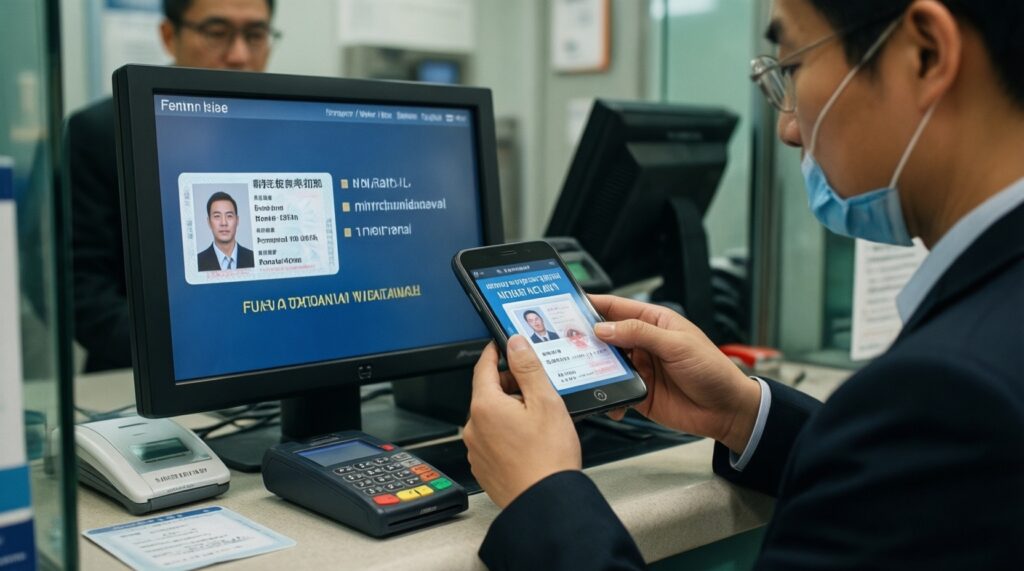
- If you request a withdrawal, then expect identity proof (government ID) and a "liveness" step in some systems to reduce stolen-ID use.
- If the casino must confirm residence, then it will request a document that ties you to an address (utility bill, bank statement, or local equivalent) and will reject mismatched formatting or outdated files.
- If you use cards or e-wallets, then the casino may verify payment ownership (masked card photo, wallet profile page, or transaction reference) to reduce third-party deposits.
- If you change your name, email, phone, or login device, then re-verification can be triggered to prevent account takeover.
- If your documents are repeatedly rejected, then check exact match: the same spelling, same country, readable corners, no glare, and no edits.
If you want fewer interruptions, then complete KYC before large deposits and before your first big win. If you're choosing between operators, then favor those that state KYC steps and timelines clearly, because that usually correlates with fewer surprise freezes.
AML in Practice: Transaction Monitoring, Risk Scoring and Reporting
- Myth: "AML only targets criminals." Reality: if your transaction pattern resembles laundering typologies, then your account can still be paused for review.
- Myth: "Deposits and withdrawals are independent." Reality: if funds flow looks circular, then systems connect events across time and methods.
- Myth: "A casino can ignore AML if it's 'just entertainment'." Reality: if it handles real-money transactions, then casino AML checks are part of operational risk control.
AML controls aim to detect and stop suspicious fund flows. In casinos, this typically means automated monitoring, a risk score per account, and escalation to manual review when patterns cross thresholds (the exact thresholds are internal).
Common scenarios that trigger reviews:
- If you deposit repeatedly and withdraw quickly with minimal play (low wagering), then the pattern can resemble "pass-through" laundering and may trigger source-of-funds questions.
- If you switch between many payment instruments or use third-party payment sources, then the system may flag "payment hopping" and freeze withdrawals until ownership is proven.
- If you show large swings tied to bonuses (bonus abuse signals), then monitoring may treat it as risk even if it's not strictly AML-related.
- If your IP/device location changes unusually (especially across countries) while funds move, then enhanced checks can apply.
- If chargebacks, failed deposits, or mismatched names appear, then fraud signals can cascade into AML-style holds.
If you get an AML review, then keep communication factual: provide requested documents, explain the purpose of transactions, and avoid rapid new deposits until the case is closed (new activity often extends the review window).
Two-Factor Authentication and Account Hardening Techniques
- Myth: "A strong password is enough." Reality: if attackers get your password from reuse or leaks, then 2FA and device controls are the next barrier.
- Myth: "2FA is annoying and optional." Reality: if your balance grows, then the inconvenience is smaller than the cost of account recovery.
- Myth: "Email OTP equals 2FA." Reality: if your email is compromised, then email OTP becomes effectively single-factor.
If you want stronger login security, then prioritize these controls
- If the casino supports authenticator-app codes or passkeys, then use them over SMS for better resistance to SIM-swap and call-forwarding scams.
- If you can set a unique password, then use a password manager and never reuse the casino password on email or social accounts.
- If the casino offers device/session management, then log out old sessions and revoke unknown devices immediately.
- If you can lock withdrawals behind extra steps (2FA on payouts, security questions, withdrawal PIN), then enable it to reduce "instant cash-out" after takeover.
- If the site supports alerts, then enable login and withdrawal notifications so you can react fast.
If you rely on 2FA, then know its limits

- If your phone is infected (screen overlay, clipboard malware), then 2FA codes can be intercepted; keep OS updated and avoid sideloaded apps.
- If your email is the recovery channel, then secure email first (its own 2FA, recovery codes, and updated recovery phone).
- If you fall for phishing, then real-time "relay" attacks can bypass OTP; verify the domain and avoid links from ads/messages.
Protecting Your Money: Custody, Segregation, and Payment Controls
- Myth: "Any payment method is fine if it deposits." Reality: if the rail has weak dispute handling, then errors and fraud are harder to unwind.
- Myth: "Withdrawals are always faster than deposits." Reality: if withdrawals require checks and reconciliation, then payout speed varies by method and risk level.
- Myth: "A casino can pay out to any account I name." Reality: if ownership and name-match rules apply, then withdrawals to third parties are often blocked.
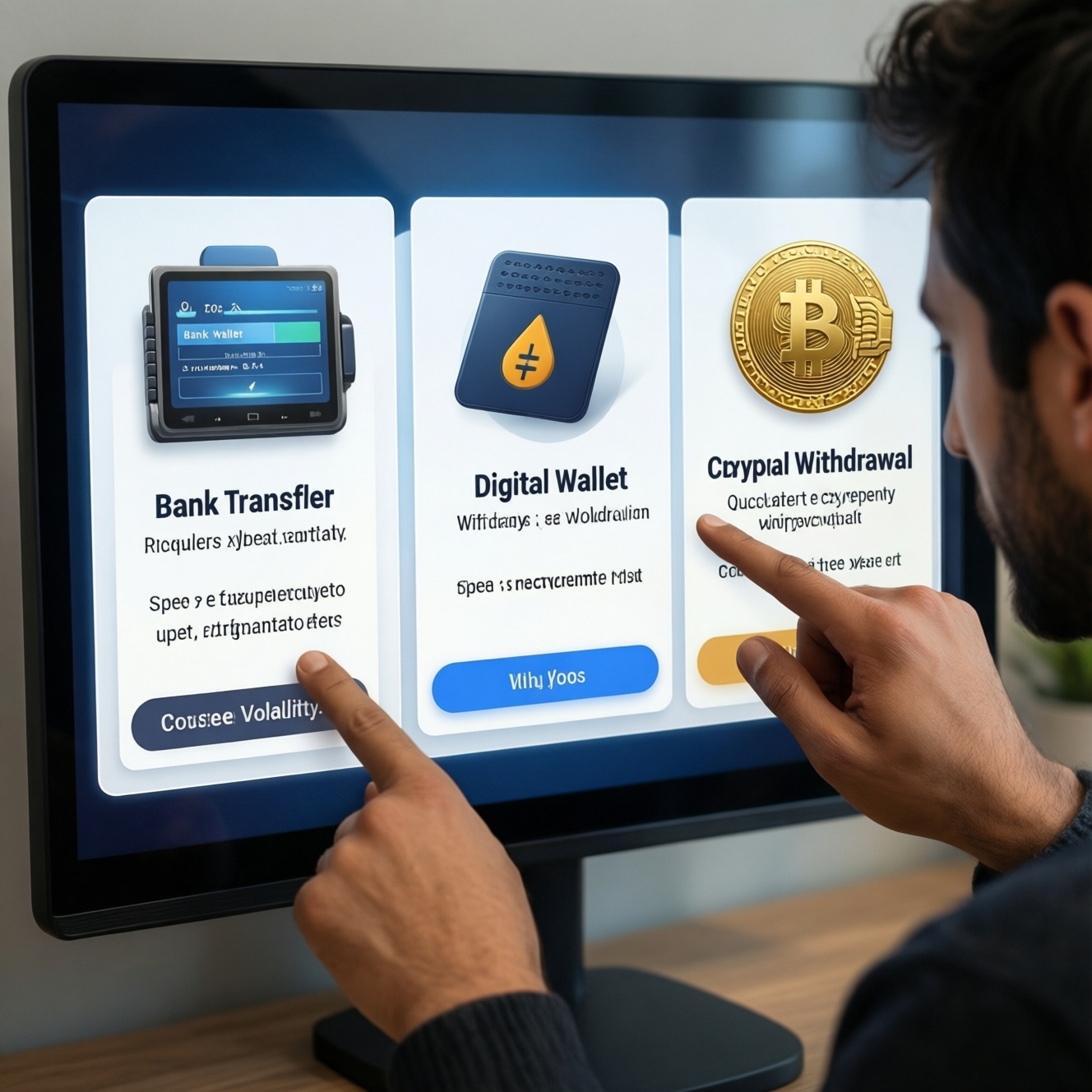
Fund protection is mostly operational: how deposits are accepted, how withdrawals are approved, and how reconciliation prevents mismatches. Secure online casino payment methods are those with strong identity linkage, receipts, and clear dispute processes.
| Threat | Casino-side control | What you should do (if..., then...) |
|---|---|---|
| Account takeover | Login anomaly detection, device fingerprinting, step-up verification, 2FA prompts | If you see a new-device alert, then change password, revoke sessions, and enable 2FA on login and withdrawals. |
| Third-party deposits / stolen payment instrument | Name matching, payment ownership checks, velocity limits, chargeback monitoring | If someone offers to "fund your account," then refuse; use only a payment method in your legal name. |
| Withdrawal fraud | Withdrawal holds, manual review for changes, beneficiary lock, payout limits by risk | If you need to change payout details, then expect a delay; do it before you play high stakes. |
| Money-laundering typologies | AML monitoring, risk scoring, enhanced due diligence, case management | If you plan big deposits/withdrawals, then keep proof of funds/source of funds ready and avoid "deposit-withdraw" without play. |
| Processor disputes and reconciliation errors | Transaction logs, settlement reconciliation, refund workflows | If a deposit is pending/duplicated, then stop trying repeatedly and contact support with transaction IDs. |
Common player mistakes that increase fund risk:
- If you use different names across your casino profile and bank/e-wallet, then withdrawals are more likely to be blocked for compliance.
- If you mix payment methods rapidly, then you increase fraud signals; stick to one primary method unless you have a clear reason.
- If you treat bonuses as "free money," then you may create patterns that look like abuse; read withdrawal conditions before you deposit.
- If you deposit from shared or business accounts, then you may fail ownership checks; use a personal account tied to your ID.
- If you chase "best safe online casinos" purely by payout speed claims, then you may miss the stronger indicator: transparent policy and consistent enforcement.
When Things Go Wrong: Incident Response, Forensics and Payout Guarantees
- Myth: "Support can instantly reverse any transaction." Reality: if funds already settled or left the processor, then recovery depends on the payment rail and timing.
- Myth: "A locked account means the casino stole my money." Reality: if a risk engine triggers, then a temporary lock is the standard containment step.
- Myth: "Providing more documents always speeds it up." Reality: if you send irrelevant or inconsistent files, then you can prolong the review.
Incidents are handled like any financial platform: contain, verify, investigate, decide, and document. If you understand this flow, then you can shorten resolution time and reduce back-and-forth.
Mini-case: suspicious withdrawal after a device change
- If you receive a withdrawal notification you didn't initiate, then immediately freeze the account (if the casino offers a lock) and reset your password from a clean device.
- If you still have access, then revoke all sessions/devices and enable the strongest available online casino 2FA security for both login and withdrawals.
- If support asks for re-verification, then provide only what they request (ID + selfie/liveness + payment ownership) and include the exact timestamps and amounts involved.
- If the casino confirms compromise indicators, then expect a forensic review (IP/device history, beneficiary changes, communication logs) before funds are released.
- If your email was used for recovery, then secure email (2FA + recovery codes) before you reopen casino access, or the attacker can repeat the takeover.
IF withdrawal_request AND (new_device OR new_payout_destination) THEN
  hold_withdrawal()
  require_step_up_verification(KYC_recheck, 2FA, payment_ownership)
  review_risk_signals(device, IP, velocity, chargeback_flags)
  IF verified_legit THEN approve_payout()
  ELSE lock_account_and_investigate()
END
If an operator cannot explain its hold/review decision in policy terms, then treat that as a safety red flag and move to a provider with clearer controls and escalation paths.
Player Concerns Addressed: Short Clarifications
Does online casino KYC verification mean the casino will share my data?
If the casino follows standard compliance practice, then it should use your data for verification and legal obligations, not marketing resale; check the privacy policy and data retention wording.
Why did casino AML checks trigger when I'm not doing anything illegal?
If your transaction pattern matches common risk signals (fast cash-out, many methods, location anomalies), then automated monitoring can flag you for review even without criminal intent.
Is online casino 2FA security worth it if I only play sometimes?
If you keep any balance or use saved payment methods, then 2FA meaningfully reduces account takeover risk; enable it before you deposit again.
What are the most secure online casino payment methods in practice?
If you want auditability and dispute options, then prefer major bank transfers, cards, or reputable e-wallets in your own name; avoid third-party funding and unclear processors.
How can I identify best safe online casinos without relying on reviews alone?
If the operator publishes clear KYC/AML rules, offers strong 2FA, supports reputable payments, and explains incident handling, then it's a stronger signal than star ratings.
Will completing KYC guarantee fast withdrawals?
If a withdrawal hits risk triggers (new device, payout changes, unusual pattern), then checks can still happen; doing KYC early mainly removes the biggest predictable delay.