
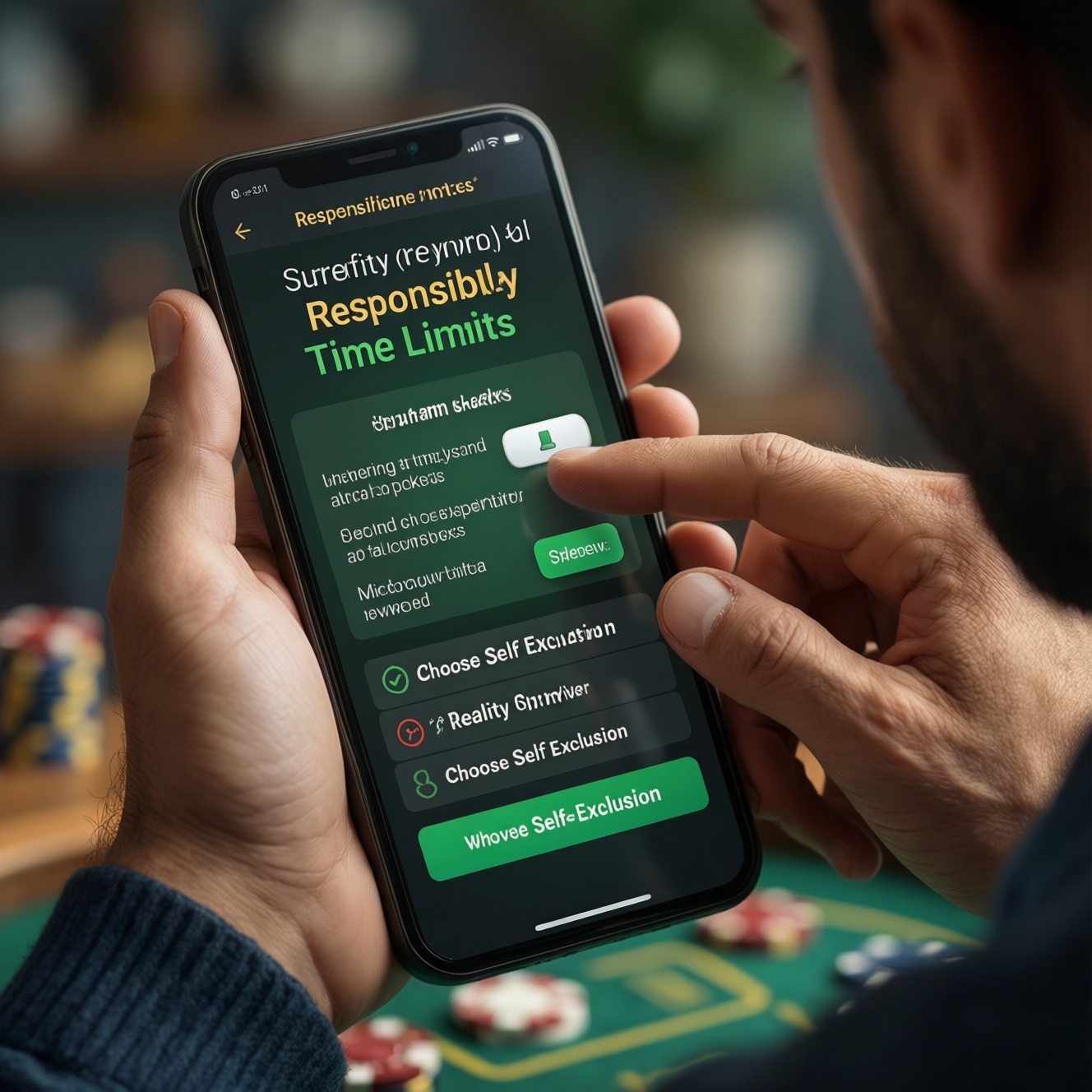
A responsible gambling toolkit is a set of built-in and personal controls that reduce harm: financial limits, time limits, reality checks, and self-exclusion. Use it to keep play predictable and interrupt chasing, dissociation, or impulsive deposits. If you cannot follow limits or feel unsafe, prioritize self-exclusion and support over "better discipline."
Core Elements of a Responsible-Gambling Toolkit
- Pre-commitment money limits (budget, deposit cap, loss limit, wager cap) before you start.
- Time controls (session schedule, hard stop, alarms) plus a gambling reality check tool that forces breaks.
- Cooling-off actions for high-risk moments (urge plan, device/account friction, payment friction).
- Online casino responsible gambling limits configured on every casino account you use (not just your "main" one).
- Self-exclusion routes (operator-level self-exclusion online casino, and third-party/device blocks).
- Simple monitoring (deposit log, session log, trigger notes) with clear "stop" thresholds.
Setting Financial Boundaries: Budgets, Deposit Caps, and Loss Limits
Who this is for: players who want predictable spending, can pause when limits hit, and want fewer "in-the-moment" money decisions. It's especially useful if you tend to top up after near-misses or after switching games.
When not to rely on limits alone: if you routinely override limits by opening new accounts, borrowing, selling assets, hiding play, or gambling to fix financial stress. In those cases, go straight to self-exclusion and external support (and consider blocking payments and apps).
Practical configuration: to set deposit limits online casino, use the casino's Responsible Gambling / Limits menu and apply a cap that matches your pre-set budget. Prefer limits that are hard to increase (increases should have a delay), and set them across deposits, losses, and wagers when available.
Time Controls and Reality Checks: Scheduling Sessions and Real-Time Alerts
What you'll need:
- Access to each casino account's Responsible Gambling / Player Protection settings (for time limits and reminders).
- A phone timer or calendar (to pre-schedule sessions and enforce a hard stop).
- Notifications enabled on your device (so reminders and lockouts actually show up).
- A note app or simple log (to record start time, end time, and whether you followed the stop).
- Optional but strong: a device-level blocker (to prevent "just one more" when a site/app lockout isn't available).
Use a gambling reality check tool (pop-up reminders or forced breaks) at a frequency that interrupts autopilot. Pair it with a hard stop you treat as non-negotiable (e.g., end of a scheduled session), then exit the site/app immediately when the reminder triggers.
Behavioral Interventions: Identifying Triggers and Designing Cooling-Off Plans
- Risk notice: if gambling is connected to self-harm thoughts, severe withdrawal, panic, or unsafe behavior, stop and seek urgent professional help immediately.
- Limits can be bypassed: multiple accounts, alternate payment methods, and new devices can defeat settings-plan for that.
- Chasing is a high-risk state: do not "test" willpower by increasing stakes after losses; use a forced break instead.
- Substance use increases risk: avoid gambling after alcohol/cannabis/stimulants; schedule play only when clear-headed.
-
Define your "red-flag moments"
List 3-5 situations that reliably push you to gamble longer or spend more (e.g., boredom at night, payday, conflict, loneliness, sports loss). You're identifying patterns, not judging yourself.
- Common triggers: stress relief, revenge betting, "I'll stop after a win," switching to faster games.
- Body signals: tension, urgency, tunnel vision, irritability when interrupted.
-
Write a 60-second interrupt script
Create a short rule you can read when urges spike: "Pause. Stand up. Drink water. Check time and spend. Decide again in 10 minutes." Keep it visible (lock-screen note or pinned note).
- Add one truth statement: "Random outcomes don't 'owe' me a win."
- Add one action: "Close the app and move to a different room."
-
Pre-commit to a cooling-off plan
Pick a minimum break length you will take when you hit any red flag (not only when you hit a loss). Use the casino's cooling-off option if available, or a device/app block as backup.
- Trigger-based rule example: "If I deposit twice in one day, I activate a cooling-off immediately."
- Emotion-based rule example: "If I feel angry or desperate, I stop for the rest of the day."
-
Add friction to money and access
Reduce the speed from urge to deposit. This is often more effective than motivation.
- Remove saved cards; avoid one-click deposits; disable auto-fill for payment fields.
- Keep gambling funds separate from bills (ideally a fixed, prepaid amount you can't top up instantly).
- Log out after each session; don't store passwords in the browser.
-
Set explicit stop conditions (then practice exiting)
Define the exact conditions that end a session: time reached, limit reached, reality check prompt appears, or a red-flag feeling appears. Practice the exit routine: cash out if applicable, close the site/app, then do a replacement activity for 10 minutes.
- Replacement ideas: short walk, shower, quick meal, call/text a trusted person, simple chore.
-
Review once per week and tighten controls
Look at your log: if you exceeded time or spent more than planned even once, tighten limits and add stronger blocks. Adjusting controls is a safety action, not a failure.
- If you keep raising limits: switch to self-exclusion rather than "bigger limits."
Self-Exclusion Options: Platform Blocks, Third-Party Schemes, and Legal Considerations
Self-exclusion is the highest-strength option when limits and reminders don't hold. A self-exclusion online casino setting typically blocks login and marketing for a period; combine it with device and payment blocks to reduce workarounds. Check the exact scope and duration in the operator's terms before confirming.
- Confirm self-exclusion is active by attempting login from the same device (you should be blocked).
- Verify you cannot deposit or place bets (not merely "prompts" or warnings).
- Check that marketing emails/SMS/push notifications stop (unsubscribe where needed).
- Remove the app and saved bookmarks; clear saved passwords and autofill entries.
- Enable a device-level website/app blocker for gambling domains and apps you used.
- Block or freeze gambling payment routes where possible (cards, e-wallets, bank transfer templates).
- Check linked accounts: sportsbook/casino/poker under the same operator brand should also be restricted.
- Tell one trusted person what you activated and ask them to check in during the first week.
Monitoring Play: Logs, Metrics, and Interpreting Risk Signals
Monitoring is only useful if it triggers action. Keep it simple: record deposits, session time, and whether you followed the stop. Then treat specific patterns as "risk signals" that require stronger responsible gambling tools (tighten limits, add blocks, or self-exclude).
- Tracking too many metrics and reviewing none; use 3 fields: time, deposit, stop-followed (yes/no).
- Only logging wins/losses, not deposits; deposits are the clearest spending signal.
- Ignoring "near-miss" spirals and game switching; both often increase speed and spend.
- Assuming a single casino's limits cover everything; apply online casino responsible gambling limits on each platform you can access.
- Raising limits after a good week; improvements are the time to lock in safer settings.
- Using credit/borrowed money and still calling it a "budget." Budgets require owned, non-essential funds.
- Reviewing only monthly; risky escalation can happen in days-review weekly at minimum.
- Treating reality checks as information only; they should trigger an action (pause or exit).
Connecting Support: When to Escalate to Professionals and Peer Support Channels
Use support when control tools aren't enough, when gambling is tied to distress, or when you're hiding behavior. Alternatives that can fit different levels of readiness:
- Trusted-person accountability (appropriate when you can still be transparent): share limits, ask them to hold payment cards or check in after sessions.
- Professional counseling (appropriate when urges feel compulsive or gambling is coping for anxiety/depression): ask for structured support and relapse-prevention planning.
- Peer support groups (appropriate when shame/isolation is driving relapse): use meetings as a scheduled replacement activity during peak trigger times.
- Financial safeguards (appropriate when spending threatens bills): budget restructuring with a counselor, bill automation, restricted access to funds.
Practical Implementation Concerns and Troubleshooting
Should I use deposit limits, loss limits, or both?
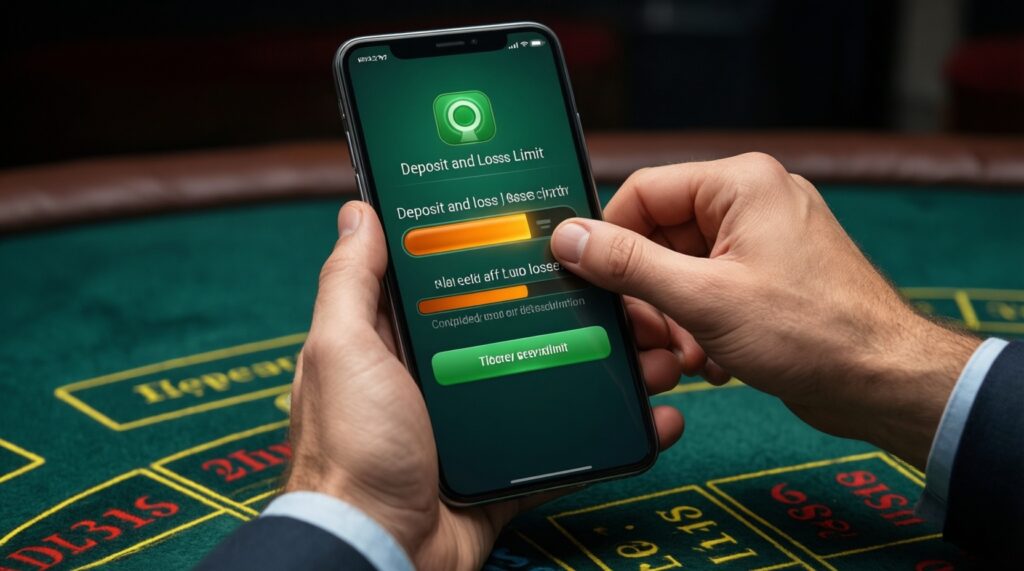
Use both when available: deposit limits cap how much you can add, while loss limits cap how much you can lose in a period. If you must choose one, start with a deposit limit because it directly controls cash outflow.
How do I set deposit limits online casino accounts if I play on multiple sites?
Apply limits on every account you can log into, then add a device-level blocker to reduce switching. If you keep opening new accounts, move to self-exclusion and payment blocks.
My gambling reality check tool pops up, but I ignore it-what should I change?
Convert the reminder into a rule: when it appears, you must stand up and leave the device for a fixed break. Shorten the reminder interval and add a hard session end-time.
Can I increase limits later if I feel "in control"?
Avoid same-day or instant increases; choose settings with a delay to prevent impulsive changes. If you often request increases, that's a signal to tighten controls or self-exclude.
What if the casino doesn't offer strong responsible gambling tools?
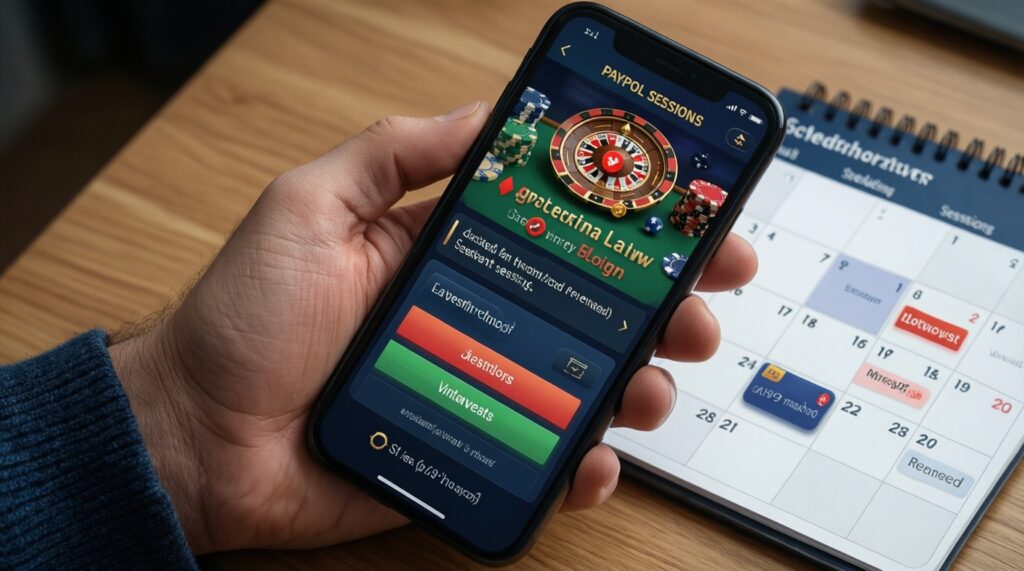
Use external controls: device/app blocking, removing saved payment methods, and strict session scheduling. Consider avoiding platforms that don't provide effective online casino responsible gambling limits.
What's the fastest sign I should move to self-exclusion online casino options?
If you chase losses, hide gambling, borrow to gamble, or repeatedly break limits, self-exclusion is the safer step. Add device and payment blocks to reduce workarounds.
After self-exclusion, I still feel urges-what now?
Add replacement routines for trigger times and connect to professional or peer support. Urges typically spike early; the goal is to ride them out without access.