

To stack two casino sites side-by-side like a pro, run an online casino comparison that forces both sites into the same columns: budget limits, bonus cost, real RTP, cashout friction, and safety proof. Use a simple scoring table, set pass/fail thresholds (for example RTP ≥ 96%, withdrawal ≤ 48h), then pick the site that wins your specific play style, not the loudest promo.
At-a-Glance Comparison Checklist for Budget Players
- Set a hard session bankroll and stop-loss (in THB), then check minimum bets and min deposits fit it.
- Prefer transparent wagering terms (clear contribution rules; no vague "selected games" language).
- Target slots with RTP shown and ≥ 96% when available; avoid "RTP not disclosed" libraries.
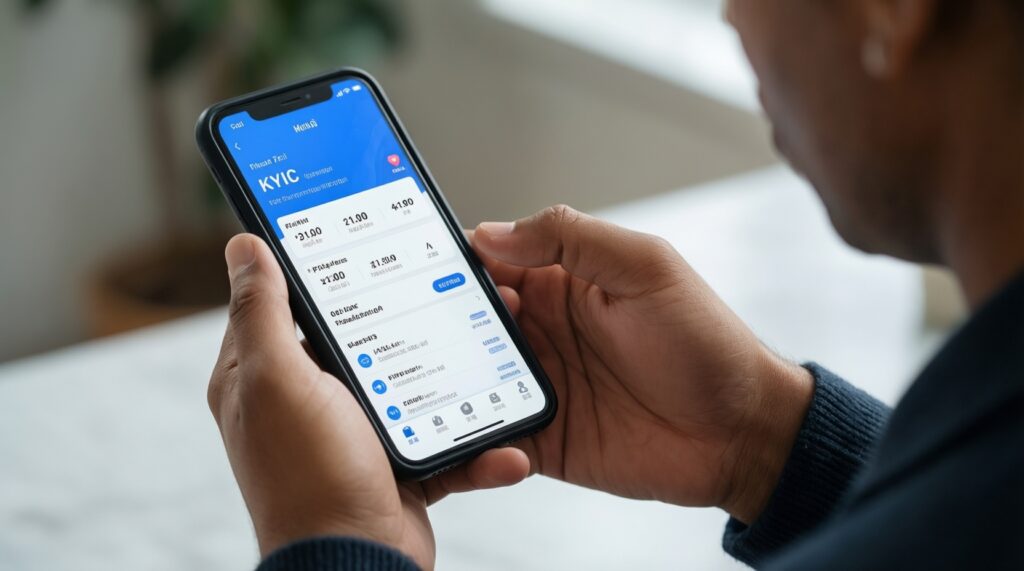
- Require realistic withdrawal timelines (aim ≤ 48h for standard methods; know KYC can extend first cashout).
- Check fees: withdrawal fees, currency conversion spreads, and bank/ewallet charges on your method.
- Verify licensing + complaint channel before deposit; don't rely on "as seen on" badges.
- Test mobile UX with a 10-minute demo run: loading, navigation to terms, and cashout flow clarity.
Define Your Comparison Scope: Budget Limits, Game Types, and Risk Profile

Budget-first criterion: define "affordable play" before you compare online casinos. If your scope is vague, the "winner" will change every time a promo changes.
- Bankroll per session (THB): choose a fixed amount; only consider sites where min bet and min deposit don't force overspending.
- Volatility tolerance: low-variance (longer sessions) vs high-variance (bigger swings); match to your bankroll.
- Primary game type: slots, live casino, table games, or crash/instant games; each interacts differently with bonuses and wagering.
- Bonus usage intent: "bonus hunter" vs "cash player"; decide if you will accept wagering at all.
- Cashout frequency: frequent small withdrawals vs occasional larger ones; affects fee sensitivity and verification friction.
- Payment rails you will actually use in Thailand: local bank transfer, cards, e-wallets, crypto (if supported); shortlist only sites that support your preferred rails.
- Device priority: mobile-only vs desktop; mobile friction can raise your cost per session via mistakes and time loss.
- Support expectations: need Thai/English support hours, live chat availability, and response quality for KYC/cashout issues.
- Compliance comfort: willingness to provide KYC documents; if "low-KYC" is essential, treat it as a hard constraint.
Core Financial Metrics: Bonuses, Wagering Terms, RTP and Withdrawal Fees

Budget-first criterion: treat every bonus as a "price" you pay via wagering, excluded games, max cashout rules, and time limits. Compare the effective cost, not the headline percentage, and anchor your decision on RTP visibility and withdrawal fee policy.
| Option | Who it fits | Pros | Cons | When to choose |
|---|---|---|---|---|
| Low-wager / low-strings welcome offer (template: clear wagering, few exclusions) | Budget players who want a bonus without a long grind | Predictable; easier to convert to withdrawable funds; fewer surprises | Usually smaller headline amount; may exclude some providers | When your bankroll is tight and you want shorter time-to-cashout |
| Bonus-heavy promo package (big % match, multi-step offers) | High-volume players who can absorb variance | High potential value if you already play a lot; more promo inventory | Wagering can be steep; stricter max bet / max cashout rules | When you're okay with long wagering and can track terms precisely |
| High-RTP, RTP-disclosed game lobby (site consistently shows RTP) | Players optimizing expected return and transparency | RTP can be checked before play; easier to avoid low-RTP titles | May have fewer promos; some games still vary by jurisdiction | When you prioritize RTP ≥ 96% where available over bonus size |
| Low-fee cashout policy (no/low withdrawal fees; clear limits) | Frequent withdrawers and conservative bankroll managers | Less leakage from repeated cashouts; simpler planning | Could have stricter verification; slower first withdrawal | When you withdraw often (small-to-mid amounts) and want cost control |
| VIP / cashback-first model (rebates, rakeback-style rewards) | Premium/high-stakes players with steady volume | Can smooth variance; rewards often less restrictive than bonuses | Benefits may be opaque; requires volume to matter | When you're a premium player and want ongoing value beyond welcome offers |
How to use the table for two-site decisions (quick method): For each site, mark one primary "Option" that matches your real behavior (not aspirational play). Then audit (a) wagering mechanics, (b) RTP visibility, and (c) withdrawal fees/limits. If either site fails transparency on any one of these, it loses the financial round even if the promo looks bigger.
Operational Metrics: Deposit/Withdrawal Speeds, Limits and Transaction Costs
Budget-first criterion: operational friction turns into real cost through locked funds, repeated fees, and time-to-cashout. Validate your exact deposit and withdrawal path end-to-end before committing meaningful bankroll.
- If you plan frequent small cashouts, then choose the site with lower/clear withdrawal fees and reasonable minimum withdrawal; otherwise fees can eat your edge.
- If you need fast liquidity, then prioritize sites that consistently complete standard withdrawals within ≤ 48h after KYC is done; avoid unclear "pending" timelines.
- If you use local TH methods (bank transfer/e-wallet), then pick the site that supports your preferred rail directly (fewer conversions) to reduce FX/spread costs.
- If you expect a large withdrawal, then check maximum withdrawal per day/week and whether the site splits payouts; choose the one with higher limits and clearer schedules.
- If you are strictly budget-focused, then avoid sites that require high minimum deposits to unlock any meaningful feature; a "low min deposit + stable cashout" site usually wins for value control.
- If you're a premium player, then weigh VIP support speed, dedicated channels, and higher cashout limits more heavily than small fee differences.
User Experience and Mobile Efficiency: How UX Affects Cost per Session
Budget-first criterion: poor UX increases misclicks, wrong game selection, and bonus-term mistakes-each effectively raising your cost per session. Use a short, repeatable test on both sites before you decide which belongs in your "best online casino sites" shortlist.
- Open both sites on your primary device and network; note load time and whether the lobby stays stable during scrolling.
- Find bonus terms in ≤ 3 taps/clicks; if terms are buried or fragmented, score it as a risk.
- Search for RTP info on at least two slot titles; if RTP is not shown anywhere, downgrade transparency.
- Run a demo session (if available): verify bet controls are clear and accidental max-bet is hard to trigger.
- Locate withdrawals page and read limits/fees without logging out; if hidden behind support, treat as a red flag.
- Test support access (live chat/email) and language availability; record response clarity on a simple question.
- Check account security settings (2FA availability, session/device management) and how easy it is to log out everywhere.
Safety, Licensing and Fairness: Verifying Protections Without Extra Spend
Budget-first criterion: you can't "promo" your way out of weak protections. Spend time verifying licensing, terms, and dispute paths before spending THB. This is the part most online casino reviews summarize poorly, so verify directly.
- Assuming a logo equals a license: always cross-check license details and the operator name, not just a badge.
- Ignoring the legal entity behind the brand: mismatch between site footer entity and payment descriptor is a warning sign.
- Not reading max bet rules during wagering: breaching max bet can void bonus winnings.
- Missing game contribution tables: some games may contribute little or nothing to wagering requirements.
- Overlooking withdrawal conditions tied to bonuses: some offers restrict cashout until full wagering is met.
- Trusting "instant withdrawals" marketing: first withdrawal often triggers KYC; plan for verification time.
- Failing to check fairness disclosures: absence of RNG/provider information reduces auditability.
- Using unsupported payment methods anyway: extra conversion steps increase chargebacks, delays, and fee leakage.
- Sharing accounts/devices: multi-user patterns can trigger fraud flags and locked withdrawals.
- Choosing based only on "top rated online casinos" lists: ratings vary; verify the exact terms that affect your bankroll.
Constructing the Side-by-Side Table: Columns, Weighting and Color Coding
For a practical online casino comparison, the "best" choice depends on your constraints: the low-wager/low-fee profile is often best for budget players who need predictable cashouts, while the VIP/cashback-first profile can be best for premium players who value higher limits and ongoing rewards. Use your weights (bonus cost vs RTP vs cashout speed) to decide which site edges the other.
Short Answers to Common Comparison Roadblocks
How do I compare online casinos if one has a bigger bonus but worse terms?
Score the bonus by friction: wagering rules, excluded games, max bet, max cashout, and time limits. If terms are unclear, treat the bonus as zero value for decision-making.
What's the fastest way to spot "best online casino sites" for my budget?
Filter for low minimum deposit, clear fees, and withdrawal timelines you can live with (aim ≤ 48h after KYC). Then verify RTP visibility on the games you actually play.
Do I need RTP to be exactly 96% to choose a site?
No-use RTP ≥ 96% as a practical benchmark when the site discloses it. The bigger signal is whether RTP is transparent and consistent across the lobby.
When should I trust online casino reviews?
Use reviews to find candidates, not to decide. Always confirm the specific terms, fees, and withdrawal limits on the operator's own pages before depositing.
How can I do an online casino comparison without creating accounts everywhere?
Compare what's publicly accessible first: terms pages, payments list, limits, licensing details, and support availability. Only sign up for the top two finalists to test cashout UX.
What breaks most side-by-side comparisons?
Changing your criteria mid-way. Lock your weights (budget, game type, cashout speed, safety) before you start, then apply them consistently to both sites.
How do I decide between two top rated online casinos that look identical?
Use tie-breakers: your preferred payment method costs, first-withdrawal KYC friction, and how quickly you can reach terms/support on mobile.